
Guide to Buying Real Estate in the Philippines as a Foreigner

Guide to Buying Real Estate in the Philippines as a Foreigner Atty. Donna Manlangit-MattingleyLicensed Real Estate Broker and Lawyer Published November 16, 2026 In 2006, the Philippine Supreme Court denied a foreign man’s claim to recover the money he spent on a house and lot in Antipolo, Rizal. He had paid for everything and put the title in his Filipino wife’s name. The Court said a foreigner can’t hold land in the Philippines, not even in trust, except by inheritance. If you’re a foreign retiree planning a modest house here, that case matters to you. You want to know how to avoid losing everything if things go wrong. Foreigners can’t own land. The answer is a lawful route you can enforce, backed by a written contract. This guide covers the lawful routes, the arrangements that failed for others, and the lease terms that protect a house on land you don’t own. Quick Summary The 1987 Constitution, Article XII, bars foreigners from owning Philippine land. A condominium unit is the one form of direct foreign ownership, capped at 40% of a project under Republic Act 4726. A lease lets you build on land you don’t own, but you hold no title to the land. The 99-year lease under Republic Act 12252 is written for registered investment projects, not a retiree’s home. Putting land in a spouse’s name cost a German buyer his money in Muller v. Muller (2006). A registered lease with written renewal, house, and heir terms is your main protection. A former natural-born Filipino can buy up to 1,000 square meters of urban land or 1 hectare of rural land for a home. Primavita Realty offers a free consultation if you want to talk through a lease or title question. What Can a Foreigner Own in the Philippines Photo Credit: Google Only Filipino citizens and corporations that are at least 60% Filipino-owned can hold land under Article XII of the 1987 Constitution. Philippine law does not allow direct foreign ownership of land. The guide for foreign buyers explains that rule in more detail. The table below shows five routes that come up in Philippine land law and where each one can fail. Route What Foreigners Can Own Where It Can Fail Long-term lease The right to use the land and build on it The lease ends, renewal isn’t written in, or the contract says nothing about the house Condominium unit The unit, in your own name Foreign ownership of the whole project is capped at 40% Filipino-majority corporation Shares in a company that owns the land Filipino owners who hold shares only as nominees Filipino spouse’s title Nothing in your own name Courts won’t return the money you put in Former natural-born Filipino Up to 1,000 square meters of urban land or 1 hectare of rural land for a residence Only for people who once held Philippine citizenship A lease, a condo unit, and shares in a corporation each give you a legal right of your own. The Filipino spouse route gives you none. The former-Filipino route works only for people who once held Philippine citizenship. Condominium units are the only form of direct foreign ownership, and Republic Act 4726 caps foreign ownership at 40% of a project. Related: Best Investment for OFWs: Condo, House, or Raw Land? How A Lease Works For A Retirement House A lease is the lawful way to build on land you can’t own. In Philippine Banking Corporation v. Lui She (1967), the Supreme Court said “a lease to an alien for a reasonable period is valid.” The same case also limits what a lease can do. A long lease was paired with a 50-year option to buy, and the owner couldn’t sell to anyone else. The Court annulled the deal as a virtual transfer of ownership. Lease length is the next question. Republic Act 12252, signed on September 3, 2025, lets foreign investors lease private land for up to 99 years. The law is written for investors with approved and registered projects, such as tourism, factories, and agriculture. A retiree who isn’t a registered investor shouldn’t plan around 99 years. The same explainer points to Presidential Decree 471, which allows 25 years renewable once for 25 more. Ask your real estate lawyer which rule applies to you before you pick a lot. Options for Foreigners Who Want to Own Property in the Philippines Foreign Retiree With No Filipino Family You’ll rely on a lease. Rent in the area for a few months before you commit, so you know the town and the access road before you build. Then check the landowner’s Transfer Certificate of Title (TCT) at the Registry of Deeds, which is an office of the Land Registration Authority (LRA). Staying long term also takes a visa, and the Special Resident Retiree’s Visa (SRRV) from the Philippine Retirement Authority is one option. A visa only gives you residency, not land rights. Foreign Spouse Of A Filipino Your Filipino spouse can hold the title, but the title doesn’t protect your money. Records of who paid did not bring the money back in Muller. Ask your lawyer about a written, notarized, and registered lease or usufruct that names your spouse as the landowner. A usufruct is a right to use property that someone else owns. The lease must be genuine, because a sham lease that hides ownership is void. Keep the contract and your payment records together. Former Natural-Born Filipino Batas Pambansa Bilang 185 (BP 185) allows a natural-born citizen who lost Philippine citizenship buy residential land. The limit is 1,000 square meters of urban land or 1 hectare of rural land. A buyer can hold no more than two lots. If both spouses are former Filipinos and both buy, their combined area can’t exceed those limits. The law doesn’t cover anyone who was never a Filipino citizen. Check your case with a lawyer before you reserve a lot. Terms To Write Into Your Lease Photo Credit: Pexels Set the number of years
5 Things to Know Before Buying Property in Bohol, Philippines
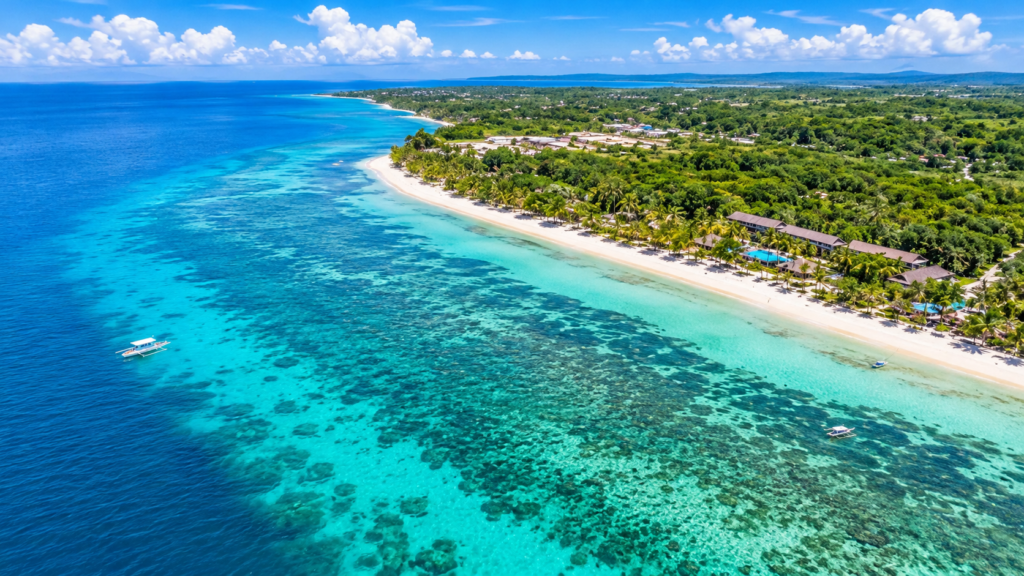
5 Things to Know Before Buying Property in Bohol, Philippines Atty. Donna Manlangit-Mattingley REB President Date Published November 12, 2026 Talk to us You live in London, Sydney, or Toronto, and you plan to settle in Bohol in a few years. Before you buy any real estate, you have three questions. Do you need a lawyer? Can the real estate agent transfer the title? How does the payment work? Philippine land law is national, so the same rules cover lots in Bohol and lots in every other province. The order of the steps matters. You verify the title at the Registry of Deeds before you pay, and you hire your own lawyer before you sign anything. This guide covers five things to know before you buy, from foreign ownership limits to choosing between Panglao and Tagbilaran. Quick Summary Philippine law does not allow foreigners to own land directly, so decide how you will hold title before you shop. Ask the Registry of Deeds for a certified true copy of the title, and compare the lot on paper with the lot on site. Hire your own lawyer to review the Deed of Absolute Sale before you sign. Pay by bank transfer or check to the seller named on the title, and never pay cash to an individual. Spend time in Tagbilaran, Panglao, Dauis, or Baclayon, and test the road, water, and internet before you commit. Primavita Realty features exclusive farm lot and commercial lot listings in Bohol. 1. Foreign Buyers Cannot Own Bohol Land Directly The law does not allow direct foreign ownership of land in the Philippines. The same rule applies in Bohol as in Palawan or Cavite. A foreign passport holder cannot be the registered owner of a lot. Condominium units follow a different rule. Foreigners can own up to 40% of the units in a condo project, according to Primavita’s foreign ownership guide. A written, notarized lease registered with the Registry of Deeds is another route. Buyers From Australia, The UK, And The US If you hold only an Australian, British, or American passport, you cannot any lot title in your own name. The foreign ownership guide also covers buying through a Filipino spouse or a corporation with majority Filipino ownership. The same guide explains why buying through a local nominee is not advised. Whichever route you choose, ask a real estate lawyer who knows Philippine land law to review it before you pay a deposit. Filipino Citizens And Overseas Filipinos Filipino citizens can own land, including Overseas Filipino Workers (OFWs). If you can’t be in the Philippines to sign, you can appoint a representative through a Special Power of Attorney (SPA). An SPA signed abroad needs an apostille before Philippine offices will accept it. 2. Verify The Title And The Land Before You Pay Ask the Registry of Deeds for a certified true copy of the Transfer Certificate of Title (TCT). The copy comes from the government record, not from the seller. The Land Registration Authority (LRA) also keeps a central database of registered land titles. Read the back of the title for encumbrances. A mortgage, a lien, or a pending court case appears there. Then compare the lot boundaries on the title with the fence lines on site. Expert Tip: Hire an independent, licensed geodetic engineer to confirm that the lot on the title is the lot you are shown. The seller’s own surveyor should not be your only check. Photo Credit: Google Land classification matters too. Agricultural land can fall under agrarian reform coverage, and conversion needs clearance from the Department of Agrarian Reform (DAR). Ask for proof of that clearance before you pay for any farmland. Last, ask the municipal or city assessor’s office for a real property tax clearance. Unpaid property taxes stay with the land, so the balance becomes yours after the sale. 3. Know Who Does What In The Title Transfer Yes, you should hire a lawyer, and the lawyer should work for you. Your lawyer checks the title, reviews the Deed of Absolute Sale, and tells you which taxes apply. Also ask any agent for a Professional Regulation Commission (PRC) license ID. A real estate agent arranges the sale. The title transfer itself happens at government offices. The steps follow this order: The buyer and seller sign a Deed of Absolute Sale and have it notarized. The parties pay the national taxes at the Bureau of Internal Revenue (BIR), which issues the certificate needed to register the sale. The parties pay the local transfer tax at the city or municipal treasurer’s office. The Registry of Deeds cancels the seller’s title and issues a new title in the buyer’s name. The assessor’s office updates the tax declaration to the new owner. Unpaid BIR taxes can block the transfer of title, even after you have paid for the property in full. Who pays each tax depends on the contract, so write it into the Deed of Absolute Sale. Ask your lawyer to confirm in writing who files each step. Primavita’s guide to avoiding property scams includes a tip on registering the Deed of Absolute Sale right away. 4. Understand How The Payment Works Pay the main amount only after the title checks show no problems. If the seller asks for a reservation fee, get the terms in writing. The agreement should say whether the fee is deducted from the price and what happens if the title check fails. Send payment by bank transfer or check to the seller named on the title, or to the developer named in the contract. Never pay cash directly to an individual. Keep an official receipt for every payment. If you live abroad, your representative in the Philippines signs for you under your SPA. Payments should still go to the seller’s named account, not to your representative’s personal account. Budget for taxes and registration fees on top of the price. Your lawyer can give you exact amounts for the lot you choose, because the amounts depend
5 Things to Consider When Buying Real Estate in Cavite
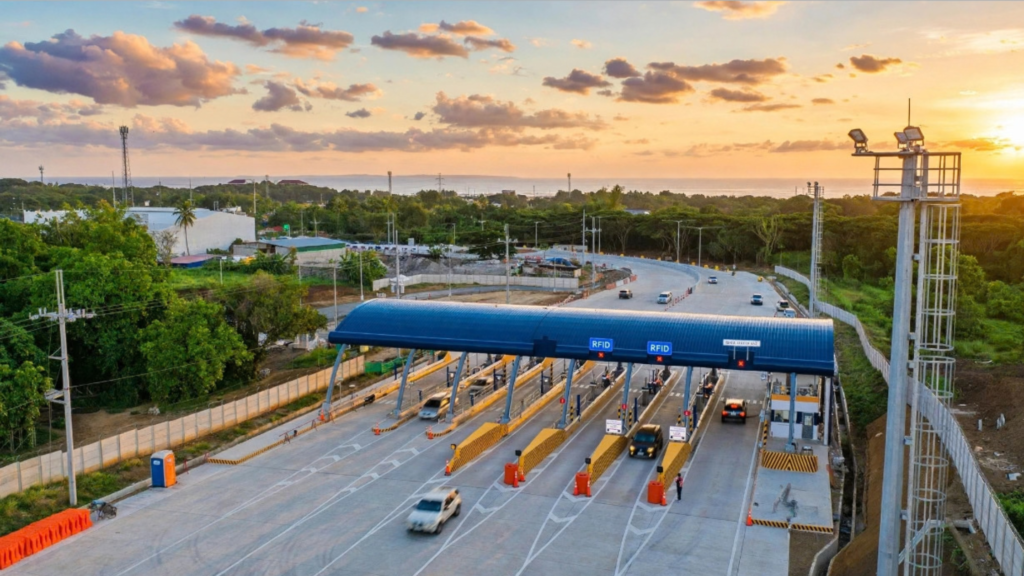
5 Things to Consider When Buying Real Estate in Cavite Atty. Donna Manlangit-Mattingley REB President Date Published October 6, 2026 Talk to us Homes in Cavite range from about ₱1.5 million in the more affordable towns to more than ₱10 million in the premium areas. Many families consider Cavite for a home outside Metro Manila. This guide gives you an overview of the Cavite property market and its main areas, then walks you through five checks before you buy. The same five checks apply to every buyer. Readers include an overseas Filipino worker (OFW) buying from abroad, a Filipino professional planning a family home, and a foreign buyer. You’ll also see which government offices can help you with each one. Quick Summary Cavite homes range from about ₱1.5 million to more than ₱10 million, depending on the town. Main areas include General Trias and Imus, Silang and Amadeo, and Bacoor and Dasmariñas. Roads to know are CAVITEX, SLEX, CALAX, and Aguinaldo Highway. Confirm the lot fronts a public road, then drive the route at rush hour. Look up the lot in HazardHunterPH and ask neighbors about past flooding. Verify the title with the Registry of Deeds and the Land Registration Authority (LRA) before you pay. Check the land classification. Agricultural land can be covered by agrarian reform, and converting it needs clearance from the Department of Agrarian Reform (DAR). Get the water source, power connection status, and internet options from the seller. Check out properties for sale in Cavite by Primavita Realty. What Buyers Can Expect From The Cavite Property Market Photo credit: Google Cavite is a popular choice for families who want a home outside Metro Manila. Prices vary widely because the province has affordable townhouse communities, mid-range subdivisions, and premium estates. Your budget will mostly decide which area fits you. The table below shows estimated price ranges by property type. Prices change by project and over time, so please use the figures as a starting point and check current listings. Property Type Typical Areas Estimated Price Range Affordable Townhouse General Trias, Noveleta, Tanza ₱1.5 million to ₱3.5 million Mid-Range House And Lot Dasmariñas, Imus, Bacoor ₱4 million to ₱10 million Premium Or Luxury Estate Silang, near Tagaytay ₱11 million to ₱75 million or more In plain terms, a budget between ₱1.5 million and ₱3.5 million covers townhouses in General Trias, Noveleta, and Tanza. A budget between ₱4 million and ₱10 million covers house-and-lot homes in Dasmariñas, Imus, and Bacoor. Estates in Silang, near Tagaytay, start around ₱11 million. Budgets Buyers Search For In Cavite Many buyers search by budget. Common searches include a house and lot worth ₱500,000, ₱1 million, or ₱3 million. Others add details such as two bedrooms, second-hand, or fully furnished. Some searches also ask for a home that is ready for occupancy (RFO), which means the home is finished and ready to move in. A ₱3 million budget sits inside the affordable range in the table. Budgets of ₱1 million and ₱500,000 sit below that range, so those listings need extra care. Check that the seller is the registered owner, especially when you buy second-hand or directly from an owner. The title check in step 3 below explains how. Popular Areas In Cavite And The Roads That Connect Them Road access shapes daily life in Cavite. If you commute to Metro Manila or Laguna, the road you take matters as much as the neighborhood you choose. Here are the main areas buyers look at and the roads that serve them. General Trias And Imus For Planned Communities General Trias and Imus are known for large master-planned communities. Families who want a ready-made neighborhood find many planned communities here. Buyers can reach CAVITEX from both areas, and General Trias also connects to CALAX. Silang And Amadeo For Cooler Weather Silang and Amadeo are close to Tagaytay, so the weather is cooler than in the lowland towns. Buyers look here for suburban living and for homes that several generations can share. Higher-end developments are also found in Silang. Bacoor And Dasmariñas For City Convenience Bacoor and Dasmariñas are busy urban areas with shops, schools, and services close by. CALAX serves Dasmariñas. The first phase of the LRT-1 extension already runs to Parañaque, and the last phase is planned to reach Niog station in Bacoor. Roads And Expressways Buyers Should Know CAVITEX, formally the Manila–Cavite Expressway, connects Cavite to Metro Manila. SLEX is another main route toward Metro Manila. Aguinaldo Highway runs through the province and links many of its towns. CALAX links Cavite to Laguna. Parts of it are open, and other sections are still being built. Once you’ve chosen an area, five checks help you confirm that a specific lot or house is right for your family. 1. Confirm Road Access And Real Travel Time A good first step is to check the road that reaches the lot. Find out whether the lot fronts a public road or sits behind land that someone else owns. If it is located behind private land, please ask to see the written right of way. Next, test the travel time yourself. Think about which of the roads above you would use each day, such as Aguinaldo Highway, CAVITEX, SLEX, or CALAX. Then drive from the lot to your workplace, your children’s school, or the nearest hospital, at the hour you would really travel. Weather changes the answer, so visit once after heavy rain and see whether the access road is still passable. Dirt roads and low bridges deserve a closer look. Ask the seller for the distance from the lot to the nearest public road, then measure it yourself. If you’re buying from abroad, a trusted representative can make the drive and record a video for you. Read Primavita Realty’s guide to buying from abroad which explains how remote buying works. 2. Check Flood Risk And Lot Elevation A lot on low ground collects water when it rains hard, and that’s worth knowing before you buy. The government’s
Farm Lot or Beach Lot in the Philippines: Which One Actually Fits Your Plan?
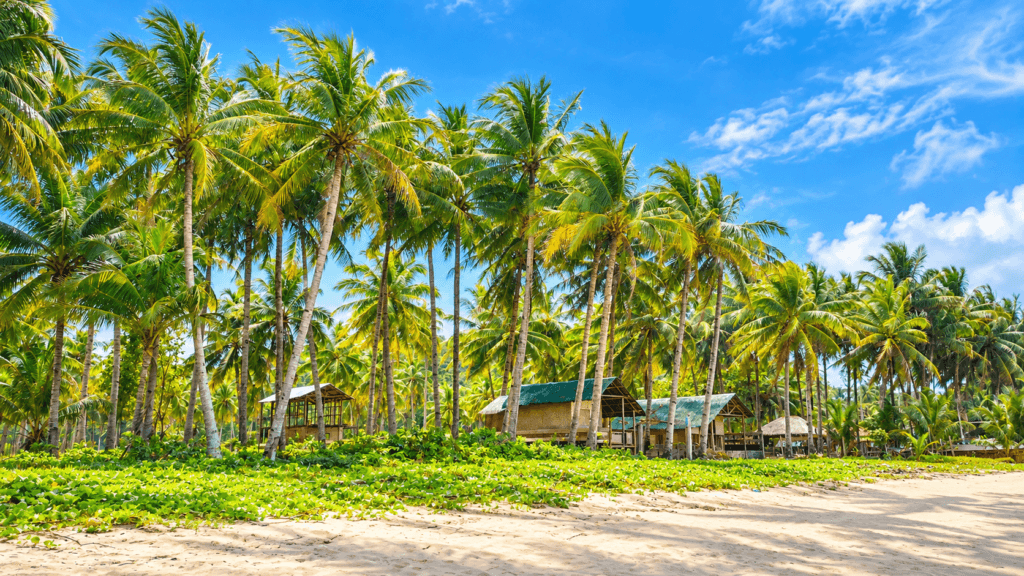
Farm Lot or Beach Lot in the Philippines: Which One Actually Fits Your Plan? Atty. Donna Manlangit-Mattingley REB President Date Published September 25, 2026 Talk to us A beachfront lot in Brgy. Aramaywan, Quezon, Palawan starts at ₱650,000. A farm lot in Alfonso, Cavite, or Aborlan, Palawan, costs less, but it earns and grows in value in different ways. Picking between the two isn’t about which land is “better.” It’s about what you actually want the property to do for you over the next ten years. This guide breaks down farm lots and beach lots as investment types, not just as land. You’ll see where each one earns money and where it carries risk. This is a common question for an OFW planning a retirement lot, a foreign buyer, and even a Filipino professional buying their first parcel. Quick Summary Farm lots cost less per square meter and can generate leasing or agricultural income, but the price appreciates slowly and depends on local infrastructure. Beach lots, especially in a coastal zone like Palawan, tend to appreciate faster and sell well to tourism buyers, but they cost more upfront. Farm lots can carry agrarian land-classification restrictions that beach lots don’t face in the same way. Both property types need the same non-negotiable step, a verified, transferable title before any money changes hands. See Primavita’s current farm lot and beach lot listings. What A Farm Lot In The Philippines Actually Buys You A farm lot is priced mainly for the size of the land, not for its surroundings. Lower cost per square meter is appealing for a first-time buyer or an investor who wants more land for the same budget. Income from a farm lot usually comes from agricultural use. You can lease it to a tenant farmer, or run a smaller agro-tourism setup like an orchard or event space. None of this is passive the way a rental condo is passive. It takes labor, water access, and tolerance for a bad harvest year. Appreciation is usually slower for a farm lot than for a beach lot. The value of a farm lot climbs with nearby roads, utilities, and development, not with scarcity. Beach lots don’t carry this risk the same way. Agricultural land in the Philippines can fall under Comprehensive Agrarian Reform Program coverage. If you convert it to residential or commercial use, it requires clearance from the Department of Agrarian Reform. Expert Tip: Confirm a lot’s classification before assuming you can build on it freely. DAR publishes its conversion rules directly. A farm lot is best suited for a hold of ten years or more, not a fast resale. Photo Credit: Google What A Beach Lot In The Philippines Actually Buys You The amount of coastal land in the Philippines is limited and not growing. Coastal scarcity is the main investment case for a beach lot. The upside is faster appreciation and easier resale, especially in a province with growing tourism. The downside is the same scarcity working against you at the time of purchase. You’re paying a premium for something that can’t be replicated a few kilometers inland. Title risk is higher here too, mostly because beachfront land attracts more resellers and more shortcuts. Make sure to verify a title through the Registry of Deeds, the Land Registration Authority (LRA), and the Bureau of Internal Revenue (BIR) before paying anything. Skipping that step is how a buyer loses their savings to a document that looked clean on paper. Foreign buyers face an added layer. Philippine law doesn’t allow direct foreign ownership of land, beachfront or otherwise. There are workarounds available, but they are specific enough to need their own explanation. Farm Lot Vs. Beach Lot, Side By Side Farm lot Beach lot Entry cost Lower per square meter Higher, scarcity-priced Income source Agriculture, leasing, agro-tourism Tourism rental, resale demand Appreciation driver Local infrastructure and development Coastal scarcity and tourism growth Main regulatory risk DAR agrarian classification Title verification, foreign ownership rules Typical holding period 10+ years 3 to 5 years for resale, longer for personal use Neither column is the safe choice. Farm lots cost less but usually take longer to grow in value and sell. Beach lots cost more but usually grow in value faster and sell more easily. Which One Fits Your Situation For An OFW Planning A Retirement Property For an OFW planning a retirement property from abroad, a beach lot is often the more appealing choice. It offers something to look forward to, and it holds value while you’re still working overseas. Primavita’s remote-buying process includes a Special Power of Attorney (SPA), apostille, and documented updates at each stage, which makes buying from overseas more manageable. Documentation and follow-up are usually the biggest worry for a buyer working from a different time zone. Regular updates matter as much as the paperwork itself. A farm lot can still make sense if your family already lives on or works land in the area. For most OFWs, though, a beach lot is the more common first choice. A fuller comparison against condos and house-and-lot options is worth reading before committing either way. For A Foreign Buyer For a foreign buyer weighing ownership limits, a farm lot doesn’t remove the legal restriction. The same ownership workarounds apply to both property types, whether the land sits inland or on the coast. Lifestyle is what usually decides it. A working farm lot suits someone planning to live on the land full-time. A beach lot suits someone buying a coastal retreat or a rental asset. If privacy and quiet surroundings are the priority, a farm lot offers that as much as a stretch of coastline does. For A Filipino Professional For a Filipino professional buying a first investment lot domestically, a farm lot carries less financial risk to start with. The lower price means a mistake costs less to recover from. A beach lot still works well if the goal is a future retirement home, not just an investment. Final
Buying Property in the Philippines Without Getting Scammed: 5 Proven Tips
Buying Property in the Philippines Without Getting Scammed: 5 Proven Tips Atty. Donna Manlangit-Mattingley REB President Date Published September 7, 2026 Talk to us Legal guidance in this blog is reviewed by Atty. Donna Patricia Manlangit-Mattingley, REB President, licensed broker and lawyer. Double sale, fake titles, and lots quietly listed as “tax declaration only” are the three ways most property buyers in the Philippines lose money to a bad seller. All three are preventable if you know what to check before you sign anything, not after. A common version of the scam looks simple on the surface. A buyer wires a reservation fee to someone who isn’t the actual owner, gets a scanned copy of a title that looks fine, and only finds out months later that the same lot was sold to somebody else the year before. This blog walks through five checks that actually catch problems like that. Verify the title itself, confirm who has the legal right to sell it, inspect the lot in person, read the price and timeline correctly, and lock down the payment so a double sale can’t happen to you. The Five Checks to Catch a Property Scam Early Verify the title yourself through the Registry of Deeds or the Land Registration Authority, not through a copy the seller hands you. Confirm the seller’s legal right to sell, checking the agent’s PRC license or the representative’s notarized SPA. Inspect the lot in person, or send someone independent to do it for you, including a geodetic engineer to confirm the actual boundaries. Read a below-market price or a rushed timeline as a warning, not a bargain. Pay through a verifiable account and register the Deed of Absolute Sale immediately after signing, not whenever it’s convenient. Tip 1: Verify the Title Independently, Not Just the Seller’s Copy Never take a photocopy of a title at face value. Start by getting a Certified True Copy of the Transfer Certificate of Title straight from the Registry of Deeds or the Land Registration Authority where the property is located, not from the seller. Once you have that copy in hand, read the Memorandum of Encumbrances on the back pages carefully, since that’s where existing mortgages, liens, or an active court case (a lis pendens) would show up. Pro Tip: A seller with something to hide will rarely bring it up first. The same visit is a good time to check the Tax Declaration and request an updated Real Property Tax Clearance from the Municipal or City Assessor’s Office. Unpaid property taxes attach to the land itself, not to whoever owed them, so that liability follows you the moment you take ownership. Beachfront and other provincial lots carry one more check that condo buyers never have to think about. Foreshore and easement rules apply here. Land within the legal easement of the shoreline can’t be privately titled at all, and a lot advertised as “beachfront” sometimes turns out to have no titled road access to the water. Confirm both the title’s technical description and the actual right-of-way before you get emotionally attached to the location, since this is exactly the kind of detail a document search alone won’t catch. For the full step-by-step process, see our guide on how to verify if a land title is clean in the Philippines. Photo Credit: Google Tip 2: Confirm the Seller Actually Has the Authority to Sell Check the Broker or Agent’s PRC License Ask for the agent’s Professional Regulation Commission ID and verify the name, license status, and expiration date on the PRC’s own website. An unaccredited “coordinator” or online referrer with no PRC number isn’t a shortcut, it’s the actual risk. If You’re Dealing With a Representative, Demand a Valid SPA If the person in front of you isn’t the titled owner, ask for a notarized Special Power of Attorney that names them specifically and states, in writing, that they’re authorized to sell this exact property. This step matters most for OFWs and buyers abroad, since the whole transaction often runs through a representative by necessity. Our step-by-step OFW guide covers how to set this up correctly from the start, not fix it after the fact. Photo Credit: Google Know the Difference Between Pre-Selling and Titled Lots A developer’s License to Sell and Certificate of Registration from DHSUD matter for pre-selling condos and subdivisions. They don’t apply the same way to a lot that’s already subdivided, already titled, and sold directly by the landowner. Knowing which category you’re actually in changes what “verified” means for your purchase. Tip 3: Inspect the Property in Person, Not Just on Paper Hire an Independent Geodetic Engineer Have a geodetic engineer, hired independently of the seller, confirm that the lot’s actual boundaries match the technical description and survey plan number on the title. Locate the concrete ground markers, the muhon, yourself if you can. A title can be perfectly clean on paper and still describe a different piece of land than the one you’re standing on. Talk to Neighbors or the Homeowners Association A short conversation with the people who already live near the lot will often surface a boundary dispute or an inheritance claim faster than any document search will. It also confirms the seller is who they say they are. What to Do If You Can’t Inspect in Person If you’re buying from abroad, arrange an independent, trusted party to walk the lot for you before you commit. That’s a real request to make of any seller, and a seller who resists it is telling you something. Tip 4: Treat Below-Market Pricing and Rushed Timelines as a Warning A price well below what comparable lots are going for isn’t a lucky find. It’s usually a sign the seller needs the deal closed before you have time to check anything. This is different from a disclosed, standard discount, spot-cash terms offered consistently across a launch are a pricing structure, not a red flag. What should worry you is an unexplained discount tied
Is Palawan a Good Real Estate Investment? What Buyers Need to Know

Is Palawan a Good Real Estate Investment? What Buyers Need to Know Atty. Donna Manlangit-Mattingley REB President Date Published August 18, 2026 Talk to us Palawan appears on nearly every list of Asia’s most beautiful islands, and for foreign buyers, that visibility raises a harder question. “Is the opportunity as sound as the scenery?” Beyond the turquoise waters, overseas buyers usually want clarity on two things: what they can legally own under Philippine law, and whether they can trust a purchase process managed remotely, often with a broker they’ve never met in person. This guide, from a licensed broker who works directly with foreign buyers in Palawan, covers the investment case, ownership structures, location trade-offs, real risks, and the steps to buying from abroad. Is Palawan worth investing in? Here is the short answer. Yes, Palawan can be a strong long-term real estate investment for the right buyer, though the answer depends on a few key factors: Citizenship: Foreigners cannot own land directly, but condominium, leasehold, and corporate structures allow legal participation. Property type: Beachfront lots, house-and-lot packages, and condo units carry different risk and liquidity profiles. Location within Palawan: Puerto Princesa, El Nido, San Vicente, Coron, Quezon, and Aborlan each offer different infrastructure, pricing, and growth stages. If you’re weighing whether Palawan fits your goals, our team at Primavita Realty is happy to walk through the options with you, no pressure, just a clear picture of what’s available. Why are the Property Values Rising? Several factors continue to support demand for Palawan real estate. Tourism remains a major driver, with destinations such as El Nido, Coron, and San Vicente attracting both domestic and international visitors. At the same time, Palawan’s environmental zoning under the Strategic Environmental Plan (SEP) limits how much coastal land can be developed, which keeps buildable inventory scarce even as interest grows. Infrastructure improvements, including airport upgrades and better road networks reaching areas like Quezon and Aborlan, have also widened access to parts of the province that were once difficult to reach. That said, Palawan is not as liquid as Metro Manila. Properties can take longer to resell, especially in earlier-stage areas. This market rewards patient buyers more than those seeking a quick exit. Approximate beachfront lot prices per square meter, based on our current listings and comparable active listings: Palawan: Roughly ₱2,000 to ₱15,000+ per sqm Quezon: From ₱2,000 to ₱4,000/sqm Aborlan: From ₱13,000+/sqm Cebu: ₱8,000 to ₱40,000+ per sqm in established coastal markets Boracay: ₱20,000 to ₱80,000+ per sqm where inventory is extremely limited If you would like to explore opportunities currently available, browse our available Palawan beachfront lots. Photo Credit: Google What Can a Foreign Buyer Legally Own in Palawan? This is often the biggest concern for international buyers, and it deserves a straightforward answer. Foreigners cannot directly own land in the Philippines. Three legal structures allow participation instead. Condominium Ownership (Republic Act 4726, the Condominium Act): A foreigner can own a condo unit outright, as long as foreign ownership across the entire project stays under 40%. Best for buyers who want a simple, bank-financeable structure. Long-term leasehold (Republic Act 7652, the Investors’ Lease Act, as amended by Republic Act 12252 in 2025): Qualified foreign investors can now lease private land for up to 99 years in a single term, up from the previous 50-year-plus-25 structure. Larger tourism-related leases typically require a minimum investment threshold, so this route suits bigger developments more than a single beachfront lot purchase. Best for long-term, large-scale use. Philippine corporation structure: The buyer holds shares in a majority Filipino-owned corporation that legally owns the land. Best for larger or commercial investments. Work with a licensed broker and independent legal counsel to confirm which structure fits your situation before proceeding. For buyers evaluating funding options, it is also helpful to understand how financing works in the Philippines before beginning the acquisition process. Which Areas in Palawan Offer the Best Value for Buyers Right Now? Not all areas of Palawan are equally developed, and understanding the differences can help align your investment with your goals. 1. Aborlan Infrastructure Level: Moderate and improving, with mostly concrete road access and utilities already in place. Closer to Puerto Princesa than Quezon, at roughly 1 to 1.5 hours. Approximate Price Range: Mid-range, reflecting its more developed, move-in-ready inventory. Best For: Buyers wanting a shorter drive from the city and a property that’s ready to use immediately rather than a raw lot. Curious about this emerging coastal area? View our current listing or schedule a viewing to explore available lots. 2. Puerto Princesa Infrastructure Level: Highest in Palawan, with established services, hospitals, schools, and commercial centers. Approximate Price Range: Moderate compared to major tourism hotspots. Best For: Buyers prioritizing convenience, accessibility, and year-round livability. 3. El Nido Infrastructure Level: Improving, but development remains carefully controlled. Approximate Price Range: Among the highest in Palawan. Best For: Buyers seeking long-term tourism-driven value and premium locations. 4. San Vicente Infrastructure Level: Developing, supported by road improvements and airport access. Approximate Price Range: Generally more affordable entry point. Best For: Buyers looking for growth potential and larger land parcels. 5. Quezon Infrastructure Level: Earlier-stage, with basic barangay services (public market, school, local eateries) rather than large commercial infrastructure. Road access is via a secondary national road, roughly 2 to 2.5 hours from Puerto Princesa. Approximate Price Range: Among the most affordable in Palawan, with beachfront lots generally available well under El Nido or Coron pricing. Best For: Buyers prioritizing value and larger or multiple lot acquisitions over immediate convenience. Curious about this emerging coastal area? View our current listing or schedule a viewing to explore available lots. 6. Coron Infrastructure Level: Moderate, with growing tourism facilities and expat presence. Approximate Price Range: Mid-range to premium depending on location. Best For: Investors interested in dive tourism and lifestyle-focused ownership. Each location offers different opportunities and trade-offs. Buyers should evaluate not only price but also accessibility, utility availability, and development restrictions before making a decision. What are the Honest Risks
The Primavita Team Explores the Tabon Caves

The Primavita Team Explores the Tabon Caves Atty. Donna Manlangit-Mattingley REB President Date Published July 22, 2026 Talk to us Hello from sunny Quezon, Palawan! This summer, the whole Primavita Realty team took a day off from site visits and paperwork to do something we have been meaning to do for ages: explore the Tabon Cave Complex, the very same caves we all read about in our Sibika at Kultura classes back in grade school. Remember the Tabon Man? He was found right here, practically in our backyard, and in yours too, if you own one of our beachfront lots! Walking through those caves and imagining early humans living there some 50,000 years ago was surreal, humbling, and honestly a lot of fun. Come along with us on this little journey through time. How to Get There Here is some great news: visiting the Tabon Caves is easier than ever. The National Museum of the Philippines has built a new concrete road and boardwalk that takes you straight to the cave entrance, no boat ride needed. From Aramaywan, it is just about an hour’s drive. And here is a friendly tip: residents of Quezon, Palawan get in for free (we happily flashed our proof of residency!). For everyone else, the rates are very reasonable: Php200 for international tourists Php100 for domestic tourists Php50 for local Palaweños The Tabon Cave Museum Before you even reach the caves, make time for the site museum. The building itself has a story because it was once the field station where archaeologists lived and worked during the big excavations of the 1960s, most famously the team of Dr. Robert Fox, the American archaeologist who was then chief of the National Museum’s Anthropology Division. The whole complex sits on a dramatic limestone formation at Lipuun Point, in the village of Panitian here in Quezon, Palawan. And here is a number that surprised us: the site actually covers 218 caves, of which 38 have been found to contain archaeological treasures. Picture a limestone headland rising from the west coast of Palawan, visible for many kilometers in every direction and honeycombed with caves and rock shelters, about 200 of them across roughly 104 hectares. The locals call it Lipuun, and the caves take their collective name from the main cave, Tabon, named after the megapode bird that digs its nest into the ground. We even saw several nests of the Tabon bird inside the caves. Why is this place such a big deal? Because it was the first site to prove that humans were living in the Philippines during the Ice Age. The caves tell a nearly continuous story of human life from at least 50,000 years ago, including a tibia fragment that may be the oldest Homo sapiens fossil ever found in Southeast Asia, dated to around 47,000 years old. Replica of the famous Manunggul Jar Layer by layer, the caves revealed ancient stone tools, a remarkable jar burial tradition, and even Chinese porcelain from the Song and Yuan Dynasties. This is proof that Palawan was trading with the wider world centuries before any of us showed up with our beach umbrellas. Exploring the Tabon Cave Museum We lucked out, there was a guided tour running the day we visited, and the National Museum now lets visitors explore nine of the caves. Our guide was Tagbanua, and that made the experience extra special. The Tagbanua are one of the oldest indigenous groups in the Philippines, and research strongly suggests they are direct descendants of the ancient people who once lived in these very caves. Their language, farming methods, and spiritual beliefs echo those of the cave dwellers. The climb up to the caves is a bit of a workout (take it slow like we did!), but hearing our guide explain each cave’s significance made every step worth it. A heads-up: the original artifacts are now housed at the National Museum of Anthropology in Manila, but the caves themselves are the real stars. Our favorite part? Our guide pointed out what he called the Tagbanua’s outdoor pharmacy and grocery, nearly every plant along the trail has a medicinal or nutritional use. That is the kind of knowledge that deserves to be passed down for generations. Lessons From The Past As we made our way back to where we started, it struck us that we were really looking at real estate history. Over thousands of years, these caves served as homes, then burial grounds, then homes again. Generation after generation choosing this same beautiful corner of Palawan to live, rest, and be remembered. We came home reminded of just how rich this place is: in natural resources, in history, and in culture. We feel genuinely lucky to call it home. Come Visit, and Maybe Stay for Good So here is our warm invitation: the next time you visit your beachfront lot, set aside half a day for the Tabon Cave Museum and the cave tour. Bring the kids, bring your walking shoes, and bring your sense of wonder. We guarantee it will be worth your while. Few places in the world let you swim in turquoise waters in the morning and stand where 50,000 years of human history unfolded in the afternoon. And if this newsletter has you dreaming of your own piece of paradise, or a second lot next to the first, we still have a limited number of beachfront lots available in Quezon, Palawan. Early humans chose this coastline 50,000 years ago; we like to think they were on to something. Reach out to us at Primavita Realty and we would be delighted to walk the beach with you. Until the next adventure!
How to Buy Property in the Philippines While Living Abroad: A Step-by-Step OFW Guide

How to Buy Property in the Philippines While Living Abroad: A Step-by-Step OFW Guide Atty. Donna Manlangit-Mattingley REB President Date Published July 14, 2026 Talk to us Working abroad often means making sacrifices for your family’s future. While you’re building a career overseas, it’s natural to want something tangible waiting for you back home, a property where your family can live, a retirement retreat, or an investment that grows over time. Yet many overseas Filipinos hesitate because they aren’t sure how to buy property in the Philippines while living abroad. The good news is that thousands of OFWs successfully purchase property every year without setting foot in the Philippines during the transaction. With the right preparation, trusted representatives, and proper documentation, the process is far more straightforward than most people realize. Whether you’re planning for retirement, securing a future home for your family, or exploring beach lot investments in the Philippines, this guide will walk you through every step. By the end, you’ll have a clear understanding of the OFW real estate process in the Philippines and the confidence to move forward with your plans. Can OFWs Really Buy Property in the Philippines From Abroad? Yes. Thousands of OFWs and Filipinos living overseas successfully buy real estate in the Philippines from abroad every year. Here’s a quick overview of the process: Set Your Budget and Purpose – Determine whether you’re buying for retirement, family use, or investment. Choose a Trusted Representative – Appoint someone reliable to act on your behalf in the Philippines. Prepare a Special Power of Attorney (SPA) – Consult a lawyer to help draft this SPA to ensure that it is time bound and contains only specific actions that your representative can do for you. Have the SPA Apostilled – Search for the apostille nearest you. Search for Properties Remotely – Research developers, locations, and titles online. Reserve the Property and Submit Requirements – Secure your chosen property and provide required documents. Handle Payments From Abroad – Use secure banking and remittance channels for all transactions. Monitor Progress and Coordinate Turnover – Stay updated until ownership and turnover are completed. The one non-negotiable requirement for a remote property purchase in the Philippines is a properly executed Special Power of Attorney (SPA). Step 1: Set Your Budget and Purpose Before looking at listings, define exactly why you’re buying property. Are you purchasing for retirement? Planning a future family home? Looking for a long-term investment? Your purpose will influence the type of property, location, and budget you choose. It’s also important to buy within your means. While overseas income may be higher than local earnings, employment situations can change. Focus on a property you can comfortably maintain even during unexpected circumstances. If financing is needed, explore a Pag-IBIG OFW loan and other available payment options. Understanding your financing choices early helps narrow your property search and prevents delays later in the process. For more information, explore our financing options for beach lot buyers. Step 2: Choose a Trusted Representative (Attorney-in-Fact) Photo Credit: Google Since you’re overseas, you’ll need someone in the Philippines who can act on your behalf. This person is called your Attorney-in-Fact, and they may be: Your spouse A sibling A trusted relative A close family friend A licensed real estate broker Choose carefully. This individual may attend meetings, sign documents, submit requirements, and coordinate with developers or sellers. Avoid granting overly broad authority. Instead, authorize only the specific actions necessary for the transaction. This is where the Special Power of Attorney (SPA) becomes essential. Without a properly executed SPA, your representative cannot legally complete most property-related transactions for you. Step 3: Prepare Your Special Power of Attorney (SPA) The SPA is one of the most important documents in the entire OFW property buying process. A Specific SPA clearly identifies the property involved and precisely states which actions your representative is authorized to perform. This protects both you and your investment by limiting authority only to necessary transactions. In most cases, your SPA should authorize your representative to: View and inspect the property Reserve the property Sign reservation agreements Submit requirements and supporting documents Sign contracts and related paperwork Sign the Deed of Absolute Sale STEP 4: Have the SPA Apostilled Typically, if you’re in the Philippines, you need to have the document notarized. But if you’re abroad, you need to have it apostilled. An apostille is a form of international authentication issued under the Hague Convention of 1961, which the Philippines acceded to in 2019, replacing the older process of document legalization through consular authentication (the “red ribbon” system). Depending on your location, you can search for the nearest apostille. You may have to appear and sign the document before the apostille. Once the apostilled SPA arrives in the Philippines, it is generally ready for use with government agencies, banks, the Registry of Deeds, and other institutions, Starting early allows you to act quickly when the right opportunity appears and prevents delays that could jeopardize a reservation or purchase. Step 5: Search for Properties Remotely Photo Credit: Google Thanks to digital tools, researching property from abroad is easier than ever. You can browse listings through platforms such as Lamudi, developer websites, and trusted real estate companies like Primavita Realty. However, don’t rely solely on photos and marketing materials. When evaluating a property, pay close attention to: Title status and ownership documentation Developer reputation and track record Accessibility and infrastructure Utilities and road access Project development status Long-term growth potential Many OFWs also compare Ready for Occupancy (RFO) properties with pre-selling developments. RFO properties offer immediate usability and reduced uncertainty, while pre-selling properties often provide lower entry prices and flexible payment terms. The right choice depends on your goals, timeline, and risk tolerance. Virtual tours, drone footage, and live video call site visits can provide valuable insights when you cannot personally visit the property. If you’re considering coastal investments, our comprehensive beach lot buying guide can help you evaluate opportunities more effectively. You can also learn
Pampanga Real Estate: Why Land Near Clark and NLEX is Booming
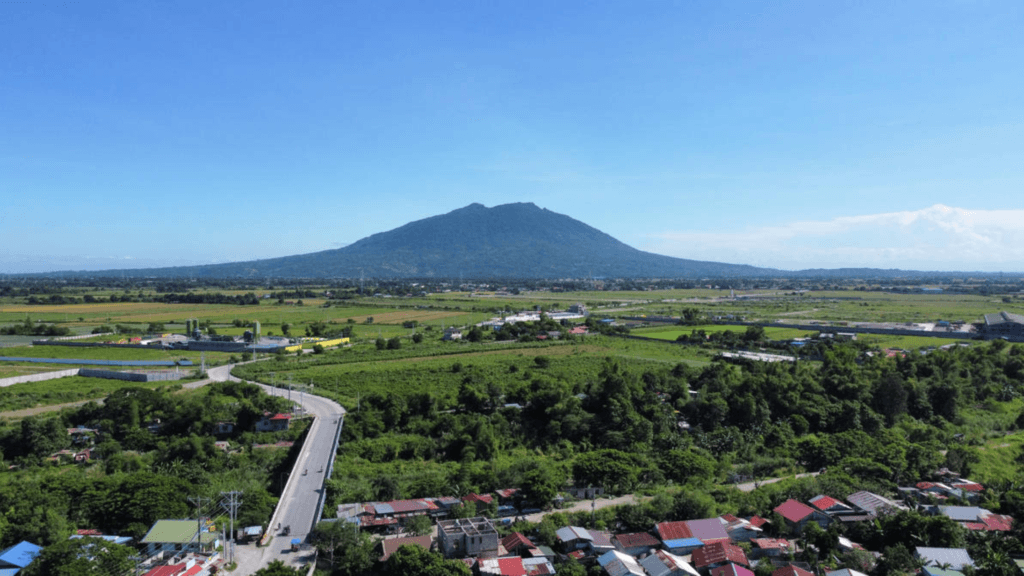
Pampanga Real Estate: Why Land Near Clark and NLEX is Booming Atty. Donna Manlangit-Mattingley REB President Date Published June 3, 2026 Talk to us Metro Manila has become harder to live in and even harder to invest in. Traffic eats up hours every day, communities feel overcrowded, and land prices continue to climb beyond reach. For many Filipino families and OFWs planning their next move, the question isn’t just where to buy, it’s where life can actually improve. That’s why the smarter question isn’t whether to leave Metro Manila. It is: Where to go next? Pampanga is no longer just a nearby province. With improving infrastructure, growing business districts, and more livable spaces, it offers something Metro Manila can’t easily match anymore: balance. And for investors, the entry window is still open. But the data suggests it’s narrowing. What’s Happening in Pampanga Right Now The Pampanga real estate market has been steadily gaining momentum. Land values are rising, driven by both residential demand and increasing investor confidence. As far back as 2022, Colliers identified Pampanga as one of the most competitive property markets in the Philippines, projecting steady annual price growth driven by infrastructure investment and the entry of major national developers. This is a trend that has continued to play out. More recent data from Central Luzon puts overall property price growth at 6-9% over the past 12 months. Pampanga is no longer a secondary market. It’s becoming a primary choice for both end-users and investors. Residential-leisure condominiums, particularly in key growth areas, have reached average prices of around ₱126,000 per square meter as of late 2025, reflecting strong demand and rising property values. Looking ahead, Central Luzon is expected to deliver around 930 hectares of new industrial land between 2026 and 2028. More industrial land means more workers, more workers mean more housing demand. And that cycle is already in motion. 1. Infrastructure Is the Real Story If there’s one factor driving Pampanga’s growth, it’s infrastructure. Major expressways like NLEX and SCTEX have significantly reduced travel time between Pampanga and Metro Manila to roughly 90 minutes. Accessibility is what transforms land from a passive asset into a high-growth investment. What used to feel “far” now feels practical for regular travel. And this is just the beginning. Upcoming projects like the North-South Commuter Railway (NSCR) and the Subic-Clark Railway are expected to further enhance connectivity, making movement of both people and goods faster and more efficient. The easier it is to reach, the more valuable it becomes. Photo Credit: Google Images 2. Clark Freeport Zone: The Economic Engine At the heart of Pampanga’s growth is Clark. The Clark Freeport Zone continues to attract BPO companies, tech firms, logistics hubs, and manufacturing industries. These businesses bring in jobs, and jobs bring people. As more professionals relocate to the area, the demand for housing rises, including rental properties for expatriates and BPO employees working in Clark. This creates a strong, consistent demand cycle: Businesses expand Workforce grows Housing demand increases Property values follow For buyers, that means you’re buying into a demand cycle that’s already been set in motion. Not speculating on one that might happen. 3. New Clark City and the Spillover Effect You don’t need to buy inside Clark to benefit from its growth, and that’s the key insight driving interest in surrounding areas. New Clark City, designed as a master-planned, disaster-resilient urban center, represents the next phase of development in Central Luzon. While it’s still growing, its impact is already being felt in Mabalacat, Angeles, and San Fernando, where land values are rising as development expands outward. Strategic locations nearby can offer better entry prices while still capturing long-term appreciation. That’s the spillover effect, and it’s already underway. 4. The Lifestyle Shift Driving Demand The pandemic didn’t just change how people work. It changed how people live. The cramped city condo is losing its appeal. More buyers today are prioritizing space, greenery, and a healthier environment: open areas, flexible spaces, and a slower pace of life. Pampanga delivers exactly that balance. It offers modern conveniences — malls, hospitals, schools, and business centers while still maintaining a more relaxed, provincial feel. The rise of integrated township developments in the area, including Alviera, Capital Town, and Marquee Place, reinforces the idea that Pampanga isn’t just livable, it’s evolving into a complete community. 5. Why Mexico, Pampanga Specifically All these trends, growth, infrastructure, lifestyle demand, lead to one question: where exactly should you invest? Mexico, Pampanga is emerging as a highly strategic location. It’s close enough to key growth centers while still offering larger, more flexible land options. Something that’s becoming increasingly rare. One standout opportunity is a 5.6-hectare raw lot located just: 15 minutes from NLEX 30 minutes from Clark International Airport At ₱800 per square meter, it offers strong value compared to more developed areas, while still benefiting from the same growth drivers. The property is flat and highly usable, making it suitable for industrial use, residential development, farm estate projects, or mixed-use concepts. Contiguous parcels at this scale, that are also accessible, are genuinely rare now. 👉 Explore the full property details here:https://primavitarealty.com/raw-lot-for-sale-mexico-pampanga/ Photo Credit: Google Images Is Now is the Right Time to Buy? Timing matters in real estate, and Pampanga is at a point where momentum is already building, but opportunities are still accessible. Infrastructure projects are ongoing, not yet fully priced in. Land values are rising, but still more affordable compared to Metro Manila. And large parcels of land are gradually becoming scarce. The 930 hectares of incoming industrial land, the NSCR timeline, the rising price per square meter can change easily. By the time they fully register in asking prices, the opportunity window in locations like Mexico, Pampanga will have significantly narrowed. For OFWs planning ahead or local buyers looking to reposition their investments, Pampanga offers a rare combination of growth, livability, and value. If you’re exploring your options or simply want to understand if this property fits your goals, now is a
Best Investment for OFWs: Condo, House, or Raw Land?

Best Investment for OFWs: Condo, House, or Raw Land? Atty. Donna Manlangit-Mattingley REB President Date Published May 6, 2026 Talk to us You’ve spent years working abroad so your family can have a better life, now it’s time to make that money work for you back home. For many OFWs, deciding what kind of property to invest in is both exciting and overwhelming. The savings built through years of sacrifice deserve to be placed somewhere safe, something that can grow in value and eventually become part of the life waiting back in the Philippines. But when the time finally comes to invest, the question becomes complicated, which property actually makes the most sense when you’re thousands of kilometers away? This guide will help you understand the real differences between three common options, condos, house & lots, and raw land, so you can choose the one that aligns with your goals, your timeline, and your lifestyle abroad. At Primavita Realty, we’ve helped many OFWs navigate this exact decision. Because our transactions are guided by legal oversight, buyers don’t just receive property options, they receive protection and clarity throughout the process. Why This Decision Is Different for OFWs For OFWs, buying property is rarely just about investment. It’s about building long-term security while also preparing for the day you eventually return home. That dual goal makes the decision more layered than it is for buyers who live in the Philippines. First is the reality of purchasing remotely. Many OFWs cannot easily visit properties, inspect documents in person, or attend meetings with brokers and developers. Important decisions often have to be made through video calls, digital documents, and trusted representatives. Second is the responsibility of managing a property from abroad. If you own something with tenants, maintenance issues, or monthly dues, someone locally needs to handle those matters. Without the right setup, small problems can quickly become expensive ones. Third is the legal structure of buying as an absentee owner. OFWs typically need a Special Power of Attorney (SPA) to allow someone in the Philippines to sign documents or complete parts of the transaction on their behalf. Understanding how this works is essential for a smooth purchase. The good news is that with the right partner guiding the process, all of these realities become manageable. Option 1: Condo Condos are often best suited for OFWs who want a relatively hands-off investment that can potentially generate rental income. In major urban centers like BGC, Makati, or Cebu IT Park, condominium units can generate rental demand from professionals, students, and expatriates. Because you’re overseas and cannot personally manage repairs or tenant concerns, the structured management system of a condominium building becomes a real advantage. Maintenance staff, security, and administrative offices are already in place to handle many day-to-day issues. However, condos also come with ongoing costs that can reduce overall returns. Monthly association dues must be paid whether the unit is occupied or vacant. If you hire a property manager to handle tenants, their service fees will also eat into rental income. Another long-term factor to consider is depreciation. While the land underneath the building appreciates, the physical structure of the condominium naturally ages over time. Renovations, repairs, and market competition from newer developments can affect resale value. For OFWs hoping to generate rental income in a major city and who are comfortable with ongoing fees, condos can still be a practical investment. The ideal condo buyer is an OFW who prioritizes income potential and convenience over long-term land appreciation. Photo Credit: Google Images Option 2: House & Lot For many OFWs, owning a house and lot represents the ultimate dream, a place where their family grew up and where they can one day return permanently. There is something deeply meaningful about owning land with a home built on it. Unlike condominiums, a house and lot gives you full ownership of the land itself, typically secured under a Transfer Certificate of Title (TCT). Land historically appreciates over time, independent of the structure built on it. This type of property also offers flexibility. You can design renovations, expand the house, or allow family members to live there without the restrictions often found in condominium associations. But the practical side of absentee ownership cannot be ignored. A house requires regular oversight. If a storm damages the roof, if plumbing breaks, or if the property simply needs upkeep, someone needs to respond. Most OFWs who choose this option rely on a trusted family member or caretaker to monitor the property. The initial cost is also generally higher than raw land because you are purchasing both the lot and the structure. Financing options are available through Pag-IBIG housing loans or bank mortgages, but they still require careful planning. House and lot investments tend to work best for OFWs who have a clear timeline to return home within the next 5-10 years and have someone reliable nearby to help oversee the property. Option 3: Raw Land or Beachfront Lots Photo Credit: Google Images At first glance, raw land may seem like the riskiest option. There’s no building on it, no rental income, and no immediate structure to use. But for many OFWs, raw land is actually the most stress-free form of property ownership. With no structure, there’s nothing to repair, no tenant to manage, and no association dues to pay. The land simply exists as an appreciating asset while you continue working abroad. That simplicity becomes a major advantage when you’re managing your investment from another country. Another reason raw land has become increasingly attractive is location potential. Places like Palawan are still early in their tourism and infrastructure development compared to mature markets like Boracay or parts of Cebu. This means buyers who enter now are effectively buying ahead of the crowd, positioning themselves before the area becomes fully developed and prices rise significantly. Raw land also offers long-term flexibility. You can build a vacation home later, sell the property when values increase, or pass the land down