

How to Verify if a Land Title is Clean in the Philippines
A few years ago, a buyer almost lost their life savings after trusting a land title that looked perfectly legitimate. It turned out the document had hidden issues that were never verified. Situations like this are more common than many people realize.
If you are planning to invest in real estate, this concern is valid. It sounds extreme, but title fraud and encumbered properties are real risks in the Philippines. The good news is that protecting yourself does not require a lawyer or special connections. It requires the right steps, done in the right order.
In this guide, you will learn exactly how to verify a land title in the Philippines, which government offices to visit, what to look for, and which warning signs to never ignore, so you can buy with full confidence.
Ready to explore clean title properties? Book a free consultation with Primavita Realty.

What is a Clean Title?
A clean title means the property has no legal complications attached to it. There are no unpaid debts, no disputes, no court orders, and no claims from other parties. In short, the seller has the full legal right to transfer the property to you.
In the Philippines, land titles usually come in two types:
- A Transfer Certificate of Title (TCT) is issued when ownership has been transferred from one person to another.
- An Original Certificate of Title (OCT) is the very first title issued for a property, usually through government land grants or Torrens registration.
Verifying the title before paying a reservation fee or signing any document is not optional. It is the single most important step in any property purchase.
Step-by-Step: How to Verify a Land Title in the Philippines
Follow these seven steps before committing to any property transaction.
Step 1: Request a Certified True Copy from the Registry of Deeds
Go to the Registry of Deeds in the city or municipality where the property is located. Request a Certified True Copy (CTC) of the title. This is the official record kept by the government, not a copy handed to you by the seller.
Takeaway: Never rely solely on the title copy the seller provides. Always get your own CTC directly from the Registry of Deeds.
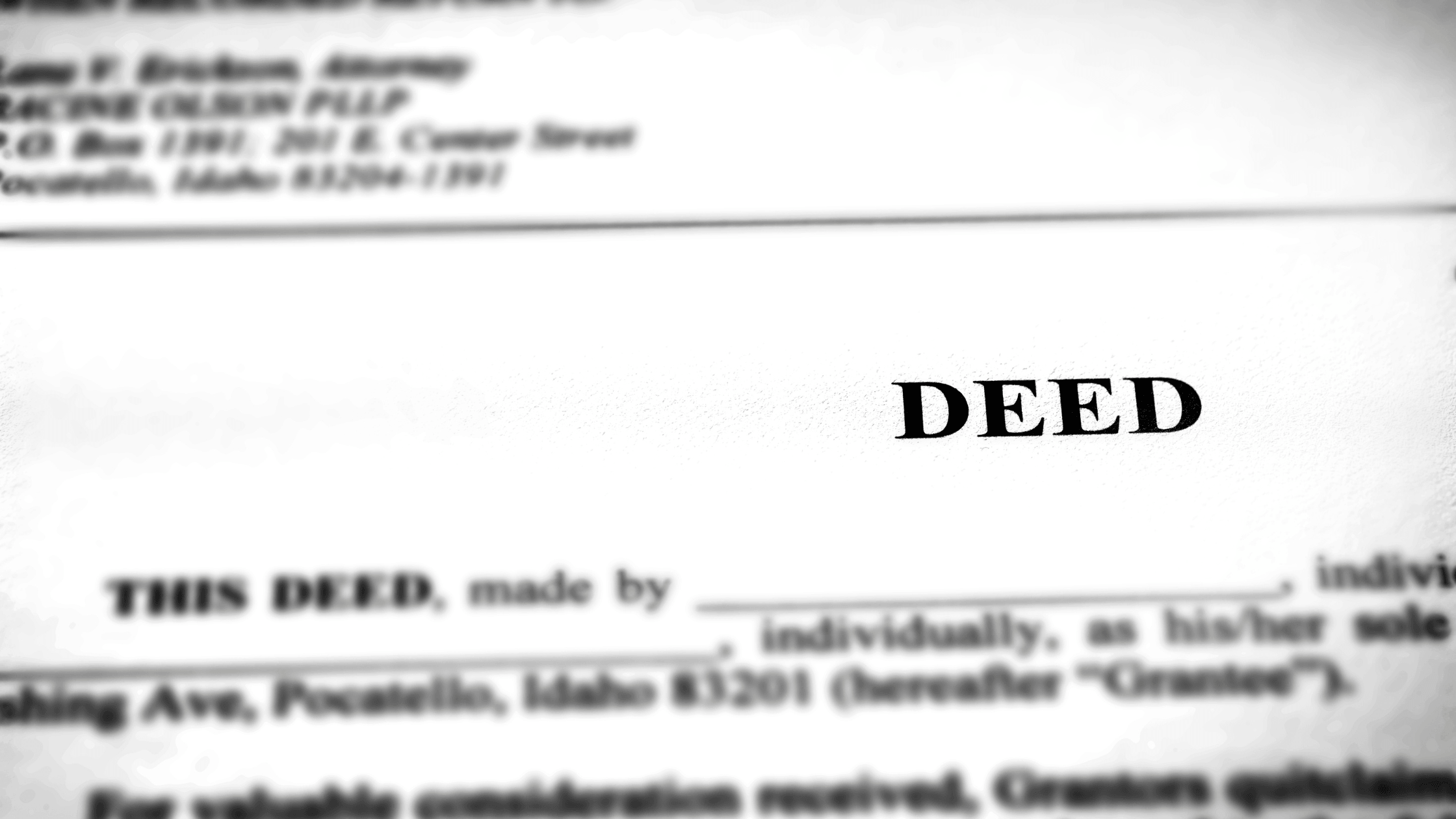
Photo Credit: Google
Step 2: Review the Title Details Carefully
Once you have the CTC, check the following:
- Title number
- Registered owner’s name (must match the seller’s government-issued ID exactly)
- Technical description of the property, including lot size and boundaries
Even small inconsistencies in spelling or lot area can signal a much bigger problem.
Takeaway: Cross-check every detail against the seller’s valid ID and the property’s physical location.
Step 3: Verify with the Land Registration Authority (LRA)
The Land Registration Authority (LRA) maintains a centralized database of all registered land titles in the country. You can verify the authenticity of a title by visiting an LRA office or using their online verification services where available.
This step confirms that the title is not fabricated and that the registry entry matches what the seller has shown you.
Takeaway: Independent verification through the LRA adds a critical layer of protection, especially for buyers managing the process remotely.
Step 4: Check the Back of the Title for Encumbrances
Annotations on the back of the title are legal entries that affect ownership. These may include:
- Mortgages or bank liens
- Court-ordered restrictions
- Adverse claims from third parties
- Notices of lis pendens (active litigation)
If there are annotations, ask the seller to provide proof that they have been cleared before you proceed.
Takeaway: A clean title has no unresolved annotations on its back page.
Step 5: Confirm Tax Payments with the Bureau of Internal Revenue (BIR)
Visit or coordinate with the Bureau of Internal Revenue (BIR) to verify that all applicable taxes have been settled. This includes:
- Capital gains tax (for direct sales)
- Estate tax (if the property was inherited)
Unpaid BIR taxes can legally block the transfer of title, even after you have paid for the property in full.
Takeaway: Confirm tax compliance at the BIR before signing anything.
Step 6: Check Real Property Tax Clearance at the Local Government Unit
Visit the City or Municipal Hall where the property is located and request a real property tax clearance. This document confirms that annual real property taxes (amilyar) are fully paid and up to date.
Outstanding real property tax balances transfer with the property and become the buyer’s responsibility after purchase.
Takeaway: Always request an updated tax clearance from the local government before finalizing the transaction.
Step 7: For Developer Properties, Request the License to Sell
If you are purchasing from a real estate developer, ask for two additional documents:
- The master title for the project
- The License to Sell issued by the Department of Human Settlements and Urban Development (DHSUD)
The DHSUD License to Sell confirms that the development is legally authorized to market and sell units or lots to the public. Transacting with a developer who does not have this license puts your investment at serious risk.
Takeaway: Only deal with DHSUD-licensed developers who can present complete project documentation.
Red Flags to Watch For
Trust your instincts. If something feels off, it usually is. Here are the warning signs that should stop any transaction immediately:
- The seller can only provide a photocopy of the title, with no Certified True Copy stamp from the Registry of Deeds.
- The name on the title does not match the seller’s government-issued ID.
- There are annotations on the title that the seller cannot clearly explain or prove have been cleared.
- The seller is pressuring you to sign quickly or is discouraging you from doing your own verification.
- The price is significantly below market value with no clear justification.
Any one of these is reason enough to pause, investigate further, or walk away.
How a Trusted Broker Can Help

Photo Credit: Google
For many buyers, especially OFWs managing the purchase from abroad, working through this checklist alone can feel overwhelming. Government offices have different hours, processes vary by location, and documents are often requested in specific formats.
A licensed real estate broker handles due diligence as part of their professional responsibility. This includes coordinating with the Registry of Deeds, verifying title authenticity, reviewing annotations, and confirming tax compliance with the BIR and local government.
Working with a trusted broker does not just save you time. It gives you a knowledgeable partner who ensures that every document is in order before you commit a single peso.
Your Trusted Partner for Clean Title Properties in the Philippines
Buying property in the Philippines does not have to feel risky. When you understand the process and work with the right people, it can be one of the most rewarding decisions your family makes.
At Primavita Realty, we guide every buyer through the full process, from title verification to final transfer. Whether you are buying your first home, investing from abroad, or looking for a future retirement property, our team ensures your investment is protected every step of the way.
Book a free consultation or schedule a viewing with us today.