


You’ve spent years working abroad so your family can have a better life, now it’s time to make that money work for you back home.
For many OFWs, deciding what kind of property to invest in is both exciting and overwhelming. The savings built through years of sacrifice deserve to be placed somewhere safe, something that can grow in value and eventually become part of the life waiting back in the Philippines.
But when the time finally comes to invest, the question becomes complicated, which property actually makes the most sense when you’re thousands of kilometers away?
This guide will help you understand the real differences between three common options, condos, house & lots, and raw land, so you can choose the one that aligns with your goals, your timeline, and your lifestyle abroad.
At Primavita Realty, we’ve helped many OFWs navigate this exact decision. Because our transactions are guided by legal oversight, buyers don’t just receive property options, they receive protection and clarity throughout the process.

Why This Decision Is Different for OFWs
For OFWs, buying property is rarely just about investment. It’s about building long-term security while also preparing for the day you eventually return home.
That dual goal makes the decision more layered than it is for buyers who live in the Philippines.
First is the reality of purchasing remotely. Many OFWs cannot easily visit properties, inspect documents in person, or attend meetings with brokers and developers. Important decisions often have to be made through video calls, digital documents, and trusted representatives.
Second is the responsibility of managing a property from abroad. If you own something with tenants, maintenance issues, or monthly dues, someone locally needs to handle those matters. Without the right setup, small problems can quickly become expensive ones.
Third is the legal structure of buying as an absentee owner. OFWs typically need a Special Power of Attorney (SPA) to allow someone in the Philippines to sign documents or complete parts of the transaction on their behalf. Understanding how this works is essential for a smooth purchase.
The good news is that with the right partner guiding the process, all of these realities become manageable.
Option 1: Condo
Condos are often best suited for OFWs who want a relatively hands-off investment that can potentially generate rental income.
In major urban centers like BGC, Makati, or Cebu IT Park, condominium units can generate rental demand from professionals, students, and expatriates. Because you’re overseas and cannot personally manage repairs or tenant concerns, the structured management system of a condominium building becomes a real advantage.
Maintenance staff, security, and administrative offices are already in place to handle many day-to-day issues.
However, condos also come with ongoing costs that can reduce overall returns. Monthly association dues must be paid whether the unit is occupied or vacant. If you hire a property manager to handle tenants, their service fees will also eat into rental income.
Another long-term factor to consider is depreciation. While the land underneath the building appreciates, the physical structure of the condominium naturally ages over time. Renovations, repairs, and market competition from newer developments can affect resale value.
For OFWs hoping to generate rental income in a major city and who are comfortable with ongoing fees, condos can still be a practical investment.
The ideal condo buyer is an OFW who prioritizes income potential and convenience over long-term land appreciation.
 Photo Credit: Google Images
Option 2: House & Lot
For many OFWs, owning a house and lot represents the ultimate dream, a place where their family grew up and where they can one day return permanently.
There is something deeply meaningful about owning land with a home built on it. Unlike condominiums, a house and lot gives you full ownership of the land itself, typically secured under a Transfer Certificate of Title (TCT). Land historically appreciates over time, independent of the structure built on it.
This type of property also offers flexibility. You can design renovations, expand the house, or allow family members to live there without the restrictions often found in condominium associations.
But the practical side of absentee ownership cannot be ignored. A house requires regular oversight. If a storm damages the roof, if plumbing breaks, or if the property simply needs upkeep, someone needs to respond. Most OFWs who choose this option rely on a trusted family member or caretaker to monitor the property.
The initial cost is also generally higher than raw land because you are purchasing both the lot and the structure. Financing options are available through Pag-IBIG housing loans or bank mortgages, but they still require careful planning.
House and lot investments tend to work best for OFWs who have a clear timeline to return home within the next 5-10 years and have someone reliable nearby to help oversee the property.
Option 3: Raw Land or Beachfront Lots
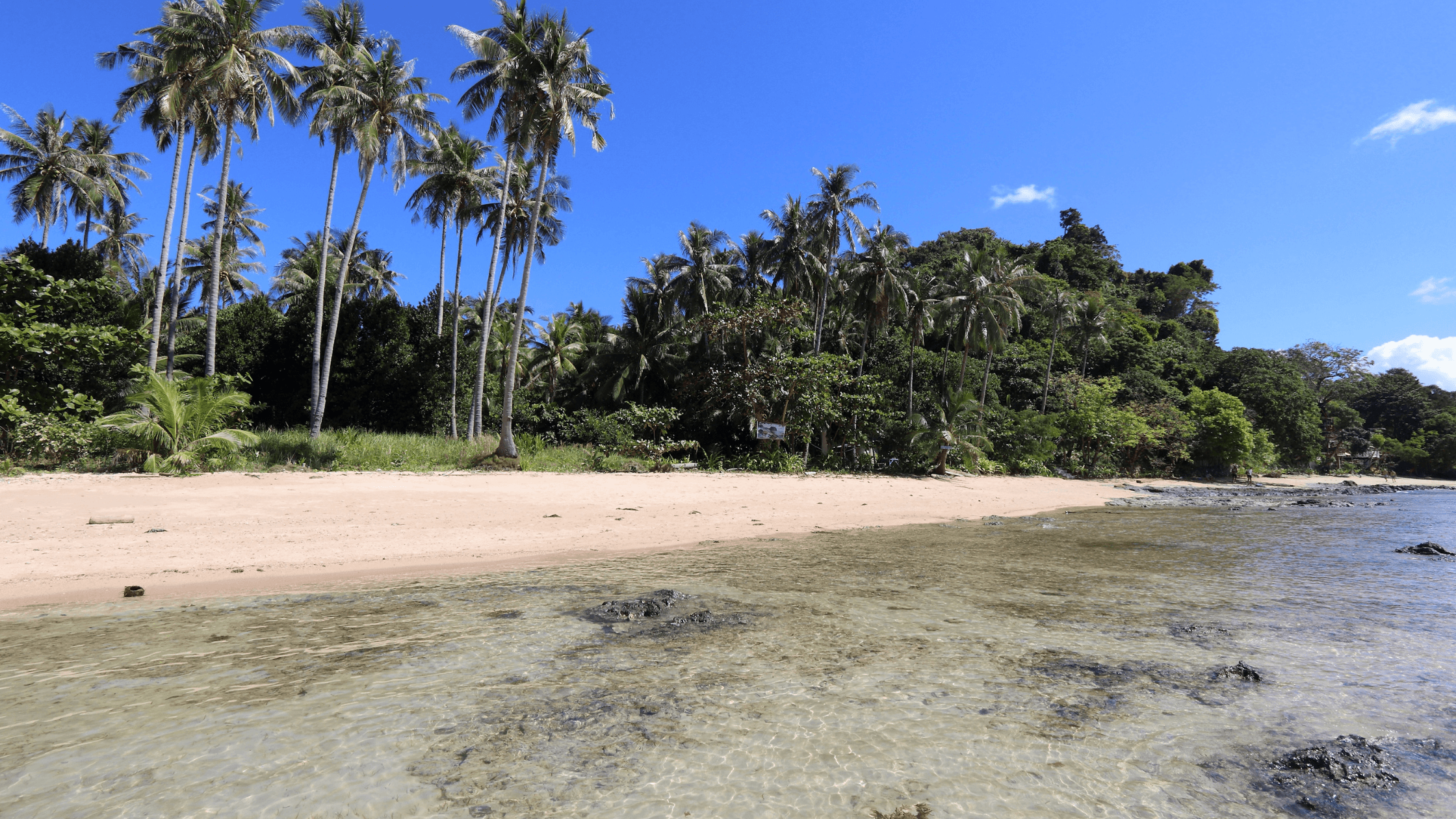
Photo Credit: Google Images
At first glance, raw land may seem like the riskiest option. There’s no building on it, no rental income, and no immediate structure to use.
But for many OFWs, raw land is actually the most stress-free form of property ownership.
With no structure, there’s nothing to repair, no tenant to manage, and no association dues to pay. The land simply exists as an appreciating asset while you continue working abroad. That simplicity becomes a major advantage when you’re managing your investment from another country.
Another reason raw land has become increasingly attractive is location potential. Places like Palawan are still early in their tourism and infrastructure development compared to mature markets like Boracay or parts of Cebu. This means buyers who enter now are effectively buying ahead of the crowd, positioning themselves before the area becomes fully developed and prices rise significantly.
Raw land also offers long-term flexibility. You can build a vacation home later, sell the property when values increase, or pass the land down to your children as a generational asset.
Entry prices are often lower than condominium units in Metro Manila, making it accessible for investors who want exposure to real estate without committing to a large structure.
Of course, there are trade-offs. Raw land does not generate immediate income, and development requires planning if you eventually want to build. But for OFWs who prioritize appreciation, simplicity, and long-term flexibility, it can be one of the most strategic investments available.
At Primavita Realty, our Palawan beachlots are lawyer-verified with clean titles, ensuring that buyers know exactly what they’re acquiring before committing.

Comparison Table
Here’s how all three options compare across the criteria that matter most to OFW buyers:
Factor | Condo | House & Lot | Raw Land |
Maintenance | HOA managed | Owner managed | None |
Rental Income | Possible | Possible | None |
Monthly Costs | Association dues | Maintenance costs | Minimal |
Appreciation | Moderate | Land driven | High potential |
Remote Management | Moderate | Difficult | Very easy |
Entry Price | Medium-high | High | Lower |
No single option wins across every category. The right choice depends on your timeline, income goal, and how hands-on you can realistically be from abroad.
OFW-Specific Buying Tips
Before purchasing property while working overseas, there are several safeguards that experienced OFW buyers always put in place.
1. Use a properly structured Special Power of Attorney (SPA).
If you cannot be physically present in the Philippines, an SPA allows a trusted representative to sign documents or complete transactions on your behalf. The document must clearly specify what actions your representative is authorized to perform and must be properly notarized and authenticated to be legally recognized.
2. Verify the title directly with the Register of Deeds.
Always request a Certified True Copy of the property title. This ensures the title number, ownership details, and any encumbrances match what the seller claims. It’s one of the simplest ways to avoid fraudulent listings.
3. Confirm your Pag-IBIG OFW membership status.
If you plan to finance a property through a housing loan, make sure your Pag-IBIG membership is active and updated before applying. This can save significant delays later in the process.
4. Use traceable payment methods.
Large property payments should always be done through verifiable bank transfers or escrow arrangements. Avoid informal remittances or cash transactions that cannot be easily documented.
5. Work with a lawyer-backed firm.
While many agents focus only on the sale, a lawyer-guided transaction adds an extra layer of protection by reviewing documents, verifying titles, and ensuring contracts are legally sound.
Primavita’s OFW Process
Here’s what it looks like when an OFW works with Primavita Realty.
First, we begin with a short virtual consultation to understand your goals, budget, and preferred investment timeline.
Next, we shortlist properties that match those priorities and walk you through each option through video calls, photos, and documentation so you can confidently evaluate the property even while abroad.
Once you select a property, we guide you through preparing the required documents, including your Special Power of Attorney (SPA), title verification, and transaction documents, ensuring everything is properly structured before any commitment is made.
After reservation, we coordinate payments, documentation, and regular updates so you always know the status of your purchase while overseas.
Finally, we assist through the completion of the transfer process so ownership is properly documented and secured under your name.
Throughout the process, our property lawyers are actively involved in overseeing the legal side of the transaction, reviewing documents, verifying titles, and ensuring that every step follows proper Philippine property law. This legal oversight gives OFW buyers an additional layer of protection, so they can invest with confidence even from abroad.