
Pampanga Real Estate: Why Land Near Clark and NLEX is Booming
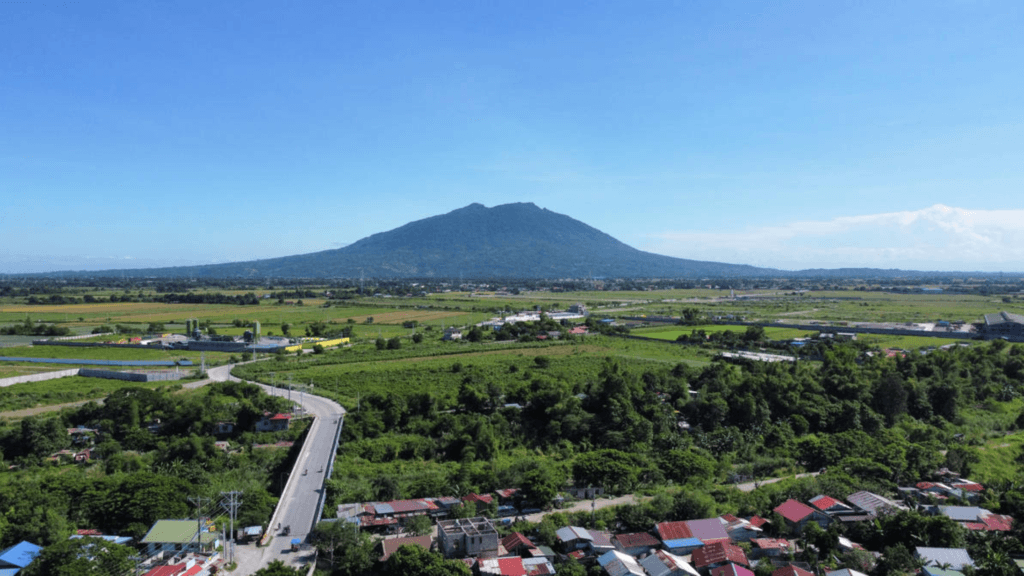
Pampanga Real Estate: Why Land Near Clark and NLEX is Booming Atty. Donna Manlangit-Mattingley REB President Date Published June 3, 2026 Talk to us Metro Manila has become harder to live in and even harder to invest in. Traffic eats up hours every day, communities feel overcrowded, and land prices continue to climb beyond reach. For many Filipino families and OFWs planning their next move, the question isn’t just where to buy, it’s where life can actually improve. That’s why the smarter question isn’t whether to leave Metro Manila. It is: Where to go next? Pampanga is no longer just a nearby province. With improving infrastructure, growing business districts, and more livable spaces, it offers something Metro Manila can’t easily match anymore: balance. And for investors, the entry window is still open. But the data suggests it’s narrowing. What’s Happening in Pampanga Right Now The Pampanga real estate market has been steadily gaining momentum. Land values are rising, driven by both residential demand and increasing investor confidence. As far back as 2022, Colliers identified Pampanga as one of the most competitive property markets in the Philippines, projecting steady annual price growth driven by infrastructure investment and the entry of major national developers. This is a trend that has continued to play out. More recent data from Central Luzon puts overall property price growth at 6-9% over the past 12 months. Pampanga is no longer a secondary market. It’s becoming a primary choice for both end-users and investors. Residential-leisure condominiums, particularly in key growth areas, have reached average prices of around ₱126,000 per square meter as of late 2025, reflecting strong demand and rising property values. Looking ahead, Central Luzon is expected to deliver around 930 hectares of new industrial land between 2026 and 2028. More industrial land means more workers, more workers mean more housing demand. And that cycle is already in motion. 1. Infrastructure Is the Real Story If there’s one factor driving Pampanga’s growth, it’s infrastructure. Major expressways like NLEX and SCTEX have significantly reduced travel time between Pampanga and Metro Manila to roughly 90 minutes. Accessibility is what transforms land from a passive asset into a high-growth investment. What used to feel “far” now feels practical for regular travel. And this is just the beginning. Upcoming projects like the North-South Commuter Railway (NSCR) and the Subic-Clark Railway are expected to further enhance connectivity, making movement of both people and goods faster and more efficient. The easier it is to reach, the more valuable it becomes. Photo Credit: Google Images 2. Clark Freeport Zone: The Economic Engine At the heart of Pampanga’s growth is Clark. The Clark Freeport Zone continues to attract BPO companies, tech firms, logistics hubs, and manufacturing industries. These businesses bring in jobs, and jobs bring people. As more professionals relocate to the area, the demand for housing rises, including rental properties for expatriates and BPO employees working in Clark. This creates a strong, consistent demand cycle: Businesses expand Workforce grows Housing demand increases Property values follow For buyers, that means you’re buying into a demand cycle that’s already been set in motion. Not speculating on one that might happen. 3. New Clark City and the Spillover Effect You don’t need to buy inside Clark to benefit from its growth, and that’s the key insight driving interest in surrounding areas. New Clark City, designed as a master-planned, disaster-resilient urban center, represents the next phase of development in Central Luzon. While it’s still growing, its impact is already being felt in Mabalacat, Angeles, and San Fernando, where land values are rising as development expands outward. Strategic locations nearby can offer better entry prices while still capturing long-term appreciation. That’s the spillover effect, and it’s already underway. 4. The Lifestyle Shift Driving Demand The pandemic didn’t just change how people work. It changed how people live. The cramped city condo is losing its appeal. More buyers today are prioritizing space, greenery, and a healthier environment: open areas, flexible spaces, and a slower pace of life. Pampanga delivers exactly that balance. It offers modern conveniences — malls, hospitals, schools, and business centers while still maintaining a more relaxed, provincial feel. The rise of integrated township developments in the area, including Alviera, Capital Town, and Marquee Place, reinforces the idea that Pampanga isn’t just livable, it’s evolving into a complete community. 5. Why Mexico, Pampanga Specifically All these trends, growth, infrastructure, lifestyle demand, lead to one question: where exactly should you invest? Mexico, Pampanga is emerging as a highly strategic location. It’s close enough to key growth centers while still offering larger, more flexible land options. Something that’s becoming increasingly rare. One standout opportunity is a 5.6-hectare raw lot located just: 15 minutes from NLEX 30 minutes from Clark International Airport At ₱800 per square meter, it offers strong value compared to more developed areas, while still benefiting from the same growth drivers. The property is flat and highly usable, making it suitable for industrial use, residential development, farm estate projects, or mixed-use concepts. Contiguous parcels at this scale, that are also accessible, are genuinely rare now. 👉 Explore the full property details here:https://primavitarealty.com/raw-lot-for-sale-mexico-pampanga/ Photo Credit: Google Images Is Now is the Right Time to Buy? Timing matters in real estate, and Pampanga is at a point where momentum is already building, but opportunities are still accessible. Infrastructure projects are ongoing, not yet fully priced in. Land values are rising, but still more affordable compared to Metro Manila. And large parcels of land are gradually becoming scarce. The 930 hectares of incoming industrial land, the NSCR timeline, the rising price per square meter can change easily. By the time they fully register in asking prices, the opportunity window in locations like Mexico, Pampanga will have significantly narrowed. For OFWs planning ahead or local buyers looking to reposition their investments, Pampanga offers a rare combination of growth, livability, and value. If you’re exploring your options or simply want to understand if this property fits your goals, now is a
Best Investment for OFWs: Condo, House, or Raw Land?

Best Investment for OFWs: Condo, House, or Raw Land? Atty. Donna Manlangit-Mattingley REB President Date Published May 6, 2026 Talk to us You’ve spent years working abroad so your family can have a better life, now it’s time to make that money work for you back home. For many OFWs, deciding what kind of property to invest in is both exciting and overwhelming. The savings built through years of sacrifice deserve to be placed somewhere safe, something that can grow in value and eventually become part of the life waiting back in the Philippines. But when the time finally comes to invest, the question becomes complicated, which property actually makes the most sense when you’re thousands of kilometers away? This guide will help you understand the real differences between three common options, condos, house & lots, and raw land, so you can choose the one that aligns with your goals, your timeline, and your lifestyle abroad. At Primavita Realty, we’ve helped many OFWs navigate this exact decision. Because our transactions are guided by legal oversight, buyers don’t just receive property options, they receive protection and clarity throughout the process. Why This Decision Is Different for OFWs For OFWs, buying property is rarely just about investment. It’s about building long-term security while also preparing for the day you eventually return home. That dual goal makes the decision more layered than it is for buyers who live in the Philippines. First is the reality of purchasing remotely. Many OFWs cannot easily visit properties, inspect documents in person, or attend meetings with brokers and developers. Important decisions often have to be made through video calls, digital documents, and trusted representatives. Second is the responsibility of managing a property from abroad. If you own something with tenants, maintenance issues, or monthly dues, someone locally needs to handle those matters. Without the right setup, small problems can quickly become expensive ones. Third is the legal structure of buying as an absentee owner. OFWs typically need a Special Power of Attorney (SPA) to allow someone in the Philippines to sign documents or complete parts of the transaction on their behalf. Understanding how this works is essential for a smooth purchase. The good news is that with the right partner guiding the process, all of these realities become manageable. Option 1: Condo Condos are often best suited for OFWs who want a relatively hands-off investment that can potentially generate rental income. In major urban centers like BGC, Makati, or Cebu IT Park, condominium units can generate rental demand from professionals, students, and expatriates. Because you’re overseas and cannot personally manage repairs or tenant concerns, the structured management system of a condominium building becomes a real advantage. Maintenance staff, security, and administrative offices are already in place to handle many day-to-day issues. However, condos also come with ongoing costs that can reduce overall returns. Monthly association dues must be paid whether the unit is occupied or vacant. If you hire a property manager to handle tenants, their service fees will also eat into rental income. Another long-term factor to consider is depreciation. While the land underneath the building appreciates, the physical structure of the condominium naturally ages over time. Renovations, repairs, and market competition from newer developments can affect resale value. For OFWs hoping to generate rental income in a major city and who are comfortable with ongoing fees, condos can still be a practical investment. The ideal condo buyer is an OFW who prioritizes income potential and convenience over long-term land appreciation. Photo Credit: Google Images Option 2: House & Lot For many OFWs, owning a house and lot represents the ultimate dream, a place where their family grew up and where they can one day return permanently. There is something deeply meaningful about owning land with a home built on it. Unlike condominiums, a house and lot gives you full ownership of the land itself, typically secured under a Transfer Certificate of Title (TCT). Land historically appreciates over time, independent of the structure built on it. This type of property also offers flexibility. You can design renovations, expand the house, or allow family members to live there without the restrictions often found in condominium associations. But the practical side of absentee ownership cannot be ignored. A house requires regular oversight. If a storm damages the roof, if plumbing breaks, or if the property simply needs upkeep, someone needs to respond. Most OFWs who choose this option rely on a trusted family member or caretaker to monitor the property. The initial cost is also generally higher than raw land because you are purchasing both the lot and the structure. Financing options are available through Pag-IBIG housing loans or bank mortgages, but they still require careful planning. House and lot investments tend to work best for OFWs who have a clear timeline to return home within the next 5-10 years and have someone reliable nearby to help oversee the property. Option 3: Raw Land or Beachfront Lots Photo Credit: Google Images At first glance, raw land may seem like the riskiest option. There’s no building on it, no rental income, and no immediate structure to use. But for many OFWs, raw land is actually the most stress-free form of property ownership. With no structure, there’s nothing to repair, no tenant to manage, and no association dues to pay. The land simply exists as an appreciating asset while you continue working abroad. That simplicity becomes a major advantage when you’re managing your investment from another country. Another reason raw land has become increasingly attractive is location potential. Places like Palawan are still early in their tourism and infrastructure development compared to mature markets like Boracay or parts of Cebu. This means buyers who enter now are effectively buying ahead of the crowd, positioning themselves before the area becomes fully developed and prices rise significantly. Raw land also offers long-term flexibility. You can build a vacation home later, sell the property when values increase, or pass the land down
How to Verify if a Land Title is Clean in the Philippines

How to Verify if a Land Title is Clean in the Philippines Atty. Donna Manlangit-Mattingley REB President Date Published May 6, 2026 Talk to us How to Verify if a Land Title is Clean in the Philippines A few years ago, a buyer almost lost their life savings after trusting a land title that looked perfectly legitimate. It turned out the document had hidden issues that were never verified. Situations like this are more common than many people realize. If you are planning to invest in real estate, this concern is valid. It sounds extreme, but title fraud and encumbered properties are real risks in the Philippines. The good news is that protecting yourself does not require a lawyer or special connections. It requires the right steps, done in the right order. In this guide, you will learn exactly how to verify a land title in the Philippines, which government offices to visit, what to look for, and which warning signs to never ignore, so you can buy with full confidence. Ready to explore clean title properties? Book a free consultation with Primavita Realty. What is a Clean Title? A clean title means the property has no legal complications attached to it. There are no unpaid debts, no disputes, no court orders, and no claims from other parties. In short, the seller has the full legal right to transfer the property to you. In the Philippines, land titles usually come in two types: A Transfer Certificate of Title (TCT) is issued when ownership has been transferred from one person to another. An Original Certificate of Title (OCT) is the very first title issued for a property, usually through government land grants or Torrens registration. Verifying the title before paying a reservation fee or signing any document is not optional. It is the single most important step in any property purchase. Step-by-Step: How to Verify a Land Title in the Philippines Follow these seven steps before committing to any property transaction. Step 1: Request a Certified True Copy from the Registry of Deeds Go to the Registry of Deeds in the city or municipality where the property is located. Request a Certified True Copy (CTC) of the title. This is the official record kept by the government, not a copy handed to you by the seller. Takeaway: Never rely solely on the title copy the seller provides. Always get your own CTC directly from the Registry of Deeds. Photo Credit: Google Step 2: Review the Title Details Carefully Once you have the CTC, check the following: Title number Registered owner’s name (must match the seller’s government-issued ID exactly) Technical description of the property, including lot size and boundaries Even small inconsistencies in spelling or lot area can signal a much bigger problem. Takeaway: Cross-check every detail against the seller’s valid ID and the property’s physical location. Step 3: Verify with the Land Registration Authority (LRA) The Land Registration Authority (LRA) maintains a centralized database of all registered land titles in the country. You can verify the authenticity of a title by visiting an LRA office or using their online verification services where available. This step confirms that the title is not fabricated and that the registry entry matches what the seller has shown you. Takeaway: Independent verification through the LRA adds a critical layer of protection, especially for buyers managing the process remotely. Step 4: Check the Back of the Title for Encumbrances Annotations on the back of the title are legal entries that affect ownership. These may include: Mortgages or bank liens Court-ordered restrictions Adverse claims from third parties Notices of lis pendens (active litigation) If there are annotations, ask the seller to provide proof that they have been cleared before you proceed. Takeaway: A clean title has no unresolved annotations on its back page. Step 5: Confirm Tax Payments with the Bureau of Internal Revenue (BIR) Visit or coordinate with the Bureau of Internal Revenue (BIR) to verify that all applicable taxes have been settled. This includes: Capital gains tax (for direct sales) Estate tax (if the property was inherited) Unpaid BIR taxes can legally block the transfer of title, even after you have paid for the property in full. Takeaway: Confirm tax compliance at the BIR before signing anything. Step 6: Check Real Property Tax Clearance at the Local Government Unit Visit the City or Municipal Hall where the property is located and request a real property tax clearance. This document confirms that annual real property taxes (amilyar) are fully paid and up to date. Outstanding real property tax balances transfer with the property and become the buyer’s responsibility after purchase. Takeaway: Always request an updated tax clearance from the local government before finalizing the transaction. Step 7: For Developer Properties, Request the License to Sell If you are purchasing from a real estate developer, ask for two additional documents: The master title for the project The License to Sell issued by the Department of Human Settlements and Urban Development (DHSUD) The DHSUD License to Sell confirms that the development is legally authorized to market and sell units or lots to the public. Transacting with a developer who does not have this license puts your investment at serious risk. Takeaway: Only deal with DHSUD-licensed developers who can present complete project documentation. Red Flags to Watch For Trust your instincts. If something feels off, it usually is. Here are the warning signs that should stop any transaction immediately: The seller can only provide a photocopy of the title, with no Certified True Copy stamp from the Registry of Deeds. The name on the title does not match the seller’s government-issued ID. There are annotations on the title that the seller cannot clearly explain or prove have been cleared. The seller is pressuring you to sign quickly or is discouraging you from doing your own verification. The price is significantly below market value with no clear justification. Any one of these is reason
Financing Options for Beach Lots in the Philippines

Financing Options for Beach Lots in the Philippines Atty. Donna Manlangit-Mattingley REB President Date Published February 23, 2026 Talk to us Owning a beach lot in the Philippines is an exciting step toward having your own slice of paradise. For many buyers, the challenge isn’t just choosing the location, it’s figuring out a way to pay for it. That’s where financing can help. Financing lets you spread payments over time instead of paying the full amount upfront. If you’re planning to buy a beach lot, knowing your financing options can help you make smart decisions, manage your budget, and avoid surprises. This guide walks you through the main financing methods, with step-by-step advice and tips to find the right plan. Understanding Financing for Beach Lots Financing is a way to pay for a property in installments rather than in full cash. You can use developer plans, bank loans, or a combination of both. Buying a beach lot with financing has some clear advantages: it makes high-value properties more affordable, helps you manage your monthly cash flow, and allows you to plan payments around your income. It’s important to know the difference between cash purchases and financed purchases: Cash purchase: You pay the full price upfront. There are no monthly payments or interest. Financed purchase: You pay a down payment and spread the balance over months or years. Some loans include interest, depending on the plan. Financing doesn’t have to be complicated. Understanding the available options will help you pick the plan that suits your budget and goals. Types of Financing Options 1. In-House or Developer Financing Many developers, including Primavita Realty, offer in-house financing, which allows buyers to pay in installments directly to the developer. Down payment: Usually 10%–30% of the total lot price. Monthly amortization: Spread over a set number of months or years, depending on the developer. Pros: Flexible terms, faster approval, no bank requirements. Cons: Interest rates may be slightly higher than bank loans, and terms are fixed by the developer. Developer financing is ideal if you want a simple, straightforward way to start paying for your beach lot without dealing with a bank. 2. Bank or Pag-IBIG Financing Banks and programs like Pag-IBIG also provide financing for beach lots. These loans usually combine a down payment with monthly installments over several years. Requirements: Proof of income, tax documents, valid ID, and sometimes credit history. Interest rates: Generally lower than in-house financing, but they vary by bank. Pros: Longer payment terms and lower interest rates. Cons: Processing takes longer, and approval depends on credit assessment. Bank financing is best for buyers who want lower interest rates and are comfortable with the documentation process. 3. Hybrid or Special Payment Plans Some developers offer hybrid financing, which combines in-house payments with bank loans. For example: Part of the lot price is paid to the developer as a down payment. The remaining balance is covered by a bank loan. Hybrid plans can make larger properties more affordable and allow buyers to take advantage of flexible payment schedules while benefiting from lower interest rates. Step-by-Step Guide to Choosing the Right Financing Option Step 1: Determine Your Budget Decide how much you can comfortably pay each month. Include all other expenses so you don’t overextend yourself. Step 2: Compare Financing Options Look at developer financing, bank loans, and hybrid plans. Compare down payments, monthly installments, and interest rates. Step 3: Prepare Your Documents Each option requires some paperwork, such as: Valid ID Proof of income Tax documents Copies of property documents (if applicable) Step 4: Calculate Costs Consider the total cost over the entire payment period. Include down payments, monthly installments, and interest. Tables or spreadsheets can make comparisons easier. Step 5: Apply and Follow Up Submit your application to the developer or bank, and track the process. Keep copies of all agreements and receipts for your records. Frequently Asked Questions What if I miss a payment? Late payments may carry penalties, which vary depending on the developer or bank. Contact them immediately to discuss options. Can I refinance later? Some banks and developers allow refinancing, which may reduce monthly payments or interest. Ask about this when choosing your plan. How do I avoid hidden fees? Read all contracts carefully and ask for a full breakdown of costs before signing. Negotiating tip: Developers sometimes offer discounts for upfront payments or flexible amortization. Don’t hesitate to ask. Final Thoughts Financing a beach lot in the Philippines doesn’t have to be complicated. By understanding your options, calculating payments, and choosing a plan that fits your budget, you can make your dream property a reality. If you want guidance or help with financing your beach lot, Primavita Realty can assist you in finding the right plan and walking you through the process. With clear information and careful planning, owning your beach lot is closer than you think.
How to Pay Real Property Taxes on Beach Lots in the Philippines

How to Pay Real Property Taxes on Beach Lots in the Philippines Atty. Donna Manlangit-Mattingley REB President Date Published February 16, 2026 Talk to us Owning a beach lot in the Philippines is a dream for many. Whether you want a weekend getaway, a future home, or an investment, beach properties give both relaxation and long-term value. But along with ownership comes responsibility, one of the most important is paying real property taxes (RPT). Paying property taxes might seem confusing at first, but it doesn’t have to be. This guide walks you through how to pay property tax for beach lots in the Philippines, step by step, so you can handle it with confidence. Understanding Real Property Tax in the Philippines Real property tax is an annual tax imposed by local governments on land, buildings, and other structures. If you own a beach lot, you need to pay tax not only on the land but also on any structures or improvements on it. The Municipal or City Assessor’s Office is in charge of determining your property’s value and collecting taxes. Rates vary depending on whether the property is residential, commercial, or agricultural. Beach lots used for personal purposes usually fall under residential property, but it’s a good idea to check with your local assessor to be certain. Paying property taxes on time keeps your title clear, avoids penalties, and contributes to local services like roads, utilities, and community programs. Photo Credit: Google How Property Tax Is Calculated Your annual property tax depends on your property’s assessed value and the millage rate set by your local government. Assessed Value: The assessor determines the value based on market trends, location, and property type. Beach lots near the shore or with easy access may have higher assessed values. Millage Rate: This is the percentage applied to the assessed value to calculate the tax. Residential lots generally have lower rates compared to commercial or industrial properties. Example Calculation: Lot Size Assessed Value (PHP) Millage Rate Annual Tax (PHP) 400 sqm 700,000 1% 7,000 500 sqm 900,000 1% 9,000 Keep in mind that your LGU may include other fees or adjustments, so always confirm your exact tax. Step-by-Step Guide to Paying Property Tax Photo Credit: Google Step 1: Gather Your Documents Before going to the assessor’s office or paying online, have these ready: Land Title (Original or Certified True Copy) Tax Declaration issued by the Municipal Assessor Previous Property Tax Receipts (if any) Having everything ready makes the process faster and smoother. Step 2: Visit the Local Assessor’s Office Go to your Municipal or City Assessor’s Office to check your property’s assessed value. You can: Confirm that the information in your tax declaration is correct Review the current assessed value of your lot Request updates if any details have changed Some LGUs also provide online tools for quick verification. Step 3: Compute Your Tax After knowing your assessed value, calculate your annual property tax: Annual Tax = Assessed Value × Millage Rate For instance, if your beach lot’s assessed value is ₱800,000 and the millage rate is 1%, your annual tax will be ₱8,000. Step 4: Choose a Payment Method Photo Credit: Google You have a few options for paying your property tax: At the LGU Treasury or Cashier’s Office – This is the most common way Through authorized banks – Many LGUs accept payments through local banks Online payments – Some municipalities allow paying through their portals Always keep your receipt, whether you pay in person or online. It serves as proof of payment. Step 5: Keep Your Receipt Save your property tax receipt carefully. You may need it for: Selling or transferring your property Applying for loans or financing Resolving disputes with the LGU Late or missed payments usually come with a 2% monthly penalty, so paying on time helps you avoid extra costs. Frequently Asked Questions About Property Tax What if my tax seems wrong? You can request a reassessment at the local assessor’s office. Mistakes happen, and you have the right to have them corrected. What happens if I pay late? A 2% monthly surcharge usually applies to unpaid taxes. The longer you wait, the higher the penalty. How does ownership transfer affect taxes? Before selling or buying a beach lot, make sure all taxes are up to date. Unpaid taxes can delay the transfer of title. Are there exemptions? Some individuals, like senior citizens, may qualify for exemptions. Certain developments or government-recognized projects may also have special arrangements. Tips for Managing Property Taxes Set reminders for annual payments to avoid late fees. Use online tools if your municipality allows them to save time. Ask a professional (real estate agent or real estate lawyer) for help if your property is complex, such as co-owned lots or disputed titles. Following these steps can make paying property tax on your beach lot simple and organized. Owning a beach lot is exciting, but keeping up with real property taxes is an important part of protecting your investment. By preparing your documents, understanding your tax, and paying on time, you can enjoy your property without stress. If you need guidance or help managing your beach lot, Primavita Realty can assist with property acquisition and tax compliance. Taking care of your property becomes easier when you know the steps and have the right support.
Can Foreigners Buy Beach Lots in the Philippines? Here’s What You Need to Know

Can Foreigners Buy Beach Lots in the Philippines? Here’s What You Need to Know Atty. Donna Manlangit-Mattingley REB President Date Published July 24, 2025 Talk to us The Philippines, known for its white-sand beaches and clear turquoise waters, continues to draw foreign retirees, digital nomads, and investors dreaming of tropical living. From Palawan to Cebu and Siargao, interest in beach properties is growing fast. But one question often comes up: Can foreigners buy beach lots in the Philippines? The short answer: not directly. Land ownership in the Philippines is restricted to Filipino citizens and majority Filipino-owned corporations. However, there are legal and commonly used alternatives that allow foreigners to lease, use, or control beachfront properties in a secure and lawful way. This guide explains what the law says, what options are available, and what to watch out for if you’re thinking about investing in a beach property here. What the Law Says About Land Ownership Foreign nationals cannot own land in the Philippines under the 1987 Constitution (Article XII, Section 7). Land ownership is strictly reserved for Filipinos and for corporations that are at least 60% Filipino-owned. That said, condominiums are an exception. Foreigners can legally own up to 40% of units in a condo project, but this applies only to vertical developments. It doesn’t apply to raw land, even if it’s near the beach. It’s also important to know that many beach properties include foreshore land, areas right next to the sea that are part of the public domain. These are regulated by the Department of Environment and Natural Resources (DENR) and cannot be privately titled, whether you’re a local or a foreigner. So while foreigners can’t directly own beachfront land, there are other ways to legally gain use or access to it. Legal Workarounds Foreigners Commonly Use Foreigners who want to invest in or live on beachfront property in the Philippines often use one of the following legal structures: 1. Lease Agreements (25 to 50 Years) Foreigners can lease land for up to 25 years, renewable for another 25 years. This setup is common for building vacation homes, resorts, or retirement villas. What to remember: The lease must be written, notarized, and registered with the Registry of Deeds. You can own any house or structure you build on the leased land. The contract should clearly outline the renewal terms and what happens in case of disputes. 2. Buying Through a Filipino Spouse If you’re married to a Filipino, the property can be purchased under your spouse’s name. This is allowed under Philippine law, but it comes with some limitations: The land must be titled solely under the Filipino spouse. If the marriage ends or the spouse passes away, your access could be limited or contested. A will or usufruct agreement may offer some protection, but you still don’t get ownership rights. Prenuptial agreements can protect other assets, but not land itself. 3. Setting Up a Corporation You can also form a corporation to own land, provided that at least 60% of the shares are held by Filipinos. Key points: The corporation must be genuine and operational, not just a name on paper. It must be registered with the Securities and Exchange Commission (SEC). Some foreigners structure preferred shares or board control, but these setups need careful planning and legal support. 4. Buying Through a Local Nominee (Not Advised) Some foreigners use a trusted Filipino to hold land in their name. This practice is risky and can violate the Anti-Dummy Law. Why it’s not safe: These arrangements are not legally enforceable. If the relationship fails or gets legally challenged, you could lose all rights to the property. Always consult a real estate lawyer before even considering this route. 5 Things to Check Before Investing in a Beach Lot Even if you’re using a legal workaround, investing in beach property still requires careful evaluation. Here’s what you should look into: Zoning rules: Make sure the land is zoned for the purpose you intend: residential, commercial, or tourism. Some beachfront areas are protected and off-limits to development. Foreshore rights: If the property includes foreshore land, you may need a Foreshore Lease Agreement through the DENR. Environmental compliance and coastal setbacks: Before developing beachfront land, check the local government’s required setback distance from the shoreline (often 20–40 meters) and secure an Environmental Compliance Certificate (ECC) from the DENR if needed. Some coastal areas are part of environmentally critical zones, which may restrict or ban certain developments altogether. Infrastructure: Check for access roads, electricity, water, and internet, especially in remote areas. Exit strategy: Foreigners can’t resell land they don’t own, so make sure you have a clear plan if your lease ends or if you sell shares in a corporation. For a deeper look into zoning rules, foreshore leases, and what to watch out for when buying a beachfront property, check out our full guide: Buying a Beach Lot in the Philippines: What You Need to Know. Where Foreigners Are Buying Beach Properties Looking for locations that are foreign-friendly? These areas are popular for a reason: Palawan: Especially El Nido, Aborlan, Quezon and Puerto Princesa. These areas are known for natural beauty and eco-tourism. Siargao: A growing surf destination with boutique resorts and laid-back communities. Cebu and Bohol: Great infrastructure, airports, hospitals, and growing expat communities. Zambales and Batangas: Conveniently close to Metro Manila, ideal for vacation homes or weekend rentals. In these areas, most foreigners use corporate structures or long-term leases to gain legal access to properties. Want to explore top coastal areas with promising potential? Check out our roundup of the Best Provinces to Buy Beach Land in the Philippines. FAQs: Common Questions About Foreign Beach Property Ownership Can I register land under my child’s name?Only if your child is a Filipino citizen. If they’re a minor, the Filipino parent or guardian will legally manage the property. Can I trust a Filipino friend or partner to hold the title for me?Not recommended. Without legal ownership or corporate structure,
Raw Land vs Developed Beach Lot in the Philippines: Which Should You Invest In?

Raw Land vs Developed Beach Lot in the Philippines: Which Should You Invest In? Atty. Donna Manlangit-Mattingley REB President Date Published July 24, 2025 Talk to us Raw Land vs Developed Beach Lot in the Philippines: Which Should You Invest In? Beachfront property in the Philippines is attracting renewed interest. With more travelers heading to tropical destinations and investors drawn to the country’s stunning coastline, demand for coastal real estate is growing. Whether you want to build a private getaway, a small resort, or simply invest in a promising location, buying beach land presents an exciting opportunity. That said, not all beachfront properties are the same. One of the first choices you’ll face is whether to invest in raw beach land, undeveloped and untouched, or a developed beach lot, ready for construction and often part of a planned community or resort. Each type comes with its own advantages, challenges, and price points. This article will guide you through the main differences, what to expect from each, and which option fits your goals and budget best. What Is Raw Beach Land? Raw beach land refers to coastal property that hasn’t been developed or prepared for building. Usually, these plots don’t have basic infrastructure like roads, electricity, water, or sewage systems. They are often found in remote or emerging areas where tourism and development are just starting to grow. Examples include southern Quezon and less-developed parts of Palawan, quiet, scenic places with great long-term potential. Buying raw land in the Philippines requires careful research. Not all plots come with clear land titles, and zoning rules might limit what you can build. It’s also important to confirm legal access to the property through public or private roads. These details are crucial before moving forward. Raw land appeals to buyers willing to get in early, but it comes with extra work and uncertainty. Photo Credit: Pexels What Is a Developed Beach Lot? A developed beach lot is land that’s ready or nearly ready for construction. These properties typically have utilities in place such as water, electricity, and paved roads, and are often located in established resort areas or residential communities. Places like Batangas and Siargao are known for developed beach lots, where tourism is thriving and infrastructure is well established. Many developed lots are within gated communities that provide security, amenities, and community rules. These conveniences sometimes come with restrictions. Homeowners’ associations (HOAs) may have rules on building types, design standards, or property use (like no commercial activities in residential zones). Still, for many investors and homeowners, these trade-offs mean less risk and a quicker path to development. Photo Credit: Pexels Investment Trade-Offs: Raw Land vs. Developed Beach Lots Comparing raw and developed beach land side by side can help you decide: Factor Raw Beach Land Developed Beach Lot Cost Lower upfront price Higher cost per sqm Location Remote or emerging areas Established tourist destinations Utilities & Roads Usually not available Installed or nearby Development Time Longer; requires permits & groundwork Faster; often ready to build Flexibility More freedom in design and use Possible building restrictions Risk Higher (legal, resale uncertainties) Lower (clear titles, steady demand) Resale Value Potentially high with improvements More stable and consistent Pros and Cons Summary: Raw Land Pros: Lower initial cost, potential for strong value growth, flexible design options Raw Land Cons: Infrastructure challenges, legal complexities, slower returns Developed Lot Pros: Ready for construction, predictable value, less legal risk Developed Lot Cons: Higher price, less flexibility, possible HOA rules From a return standpoint, raw land may bring greater gains over time, especially in emerging areas. Developed lots, meanwhile, can start generating income sooner through rentals or resale. Who Should Invest in Which? Different investors have different needs. Here’s a simple way to decide: Raw Beach Land Might Be Right If You: Have a tighter budget Are thinking long-term Don’t mind waiting for infrastructure Can handle land preparation and permits Are open to higher risk for bigger rewards A Developed Beach Lot Might Be Better If You: Want to build and use the property soon Prefer convenience and less hassle Seek a ready-to-use vacation home Value lower risk and steady returns Can invest more for quicker results Photo Credit: Pexels Palawan Price Range Raw beach land: ₱1,200–₱5,000 per sqm Developed beach lots: ₱6,000–₱25,000 per sqm (especially near hotspots like El Nido or San Vicente) Before deciding, consider: Do I want a hands-on project or a move-in-ready property? How soon do I need returns? Am I comfortable handling legal, construction, and zoning processes? Example Locations in the Philippines Here are some typical areas for each type of property: Raw Land Examples: Palawan: Quezon and Taytay offer large beachfront parcels at affordable prices. Bohol: Quiet areas like Anda have undeveloped lots with growth potential. Interested in Raw Beach Land? Discover untouched coastal properties with great growth potential. Visit Primavita Realty to explore available raw beach land and start your long-term investment journey today. Developed Lot Examples: Batangas: Laiya, Calatagan, and Nasugbu have residential beach communities and resort-ready lots close to Metro Manila. Siargao: General Luna offers titled lots with utilities, ideal for vacation homes or rental properties. Looking for a Developed Beach Lot? Find ready-to-build beachfront lots with established utilities and fast access to the coast. Check out the listings at Primavita Realty and find the perfect spot for your vacation home or resort. Conclusion Investing in beachfront property in the Philippines is a significant decision with plenty of promise. Whether you’re drawn to the untouched charm of raw land in up-and-coming areas or prefer a developed lot ready for building, there’s something for every investor. The key is finding the right fit for your timeline, budget, and goals. At Primavita Realty, we help buyers and investors make clear, confident choices about beachfront property. Get in touch today to explore beach lots that match your vision, whether it’s raw land with long-term potential or a developed piece of paradise ready to become your dream getaway.
Where to Buy Beach Land in the Philippines: Top 7 Best Provinces for Investment

Atty. Donna Manlangit-Mattingley REB President Date Published June 11, 2025 Talk to us Where to Buy Beach Land in the Philippines: Top 7 Best Provinces for Investment With its stunning coastlines, rich island culture, and growing tourism industry, the Philippines is becoming a top destination for beach land investment. Whether you’re planning to build a private retreat, develop a vacation rental, or simply invest in a piece of paradise, beachfront property here offers more than just scenic value, it can be a smart long-term move. As travel continues to rebound and interest in tropical escapes rises, demand for beach properties in the Philippines is heating up. Land prices are climbing in many coastal areas, especially those with strong tourism potential, and more investors are eyeing opportunities for resorts, glamping sites, or long-term developments. In this guide, we break down the seven best provinces in the Philippines to buy beach land in 2025. We focus on factors that matter like location, infrastructure, tourism demand, and land prices to help you make a confident investment choice. Why Invest in Beach Land in the Philippines? Beachfront real estate is among the most desirable property types in the world, and in the Philippines, it’s still relatively affordable compared to other tropical destinations. The country’s appeal goes beyond its natural beauty. It has over 36,000 kilometers of coastline, diverse marine life, and a growing tourism market that supports eco-resorts, small hotels, and vacation rentals. For both commercial developers and lifestyle investors, the opportunity is real. With tourism numbers climbing and infrastructure improving, the right beachfront lot in the right location can bring strong returns both financially and personally. What to Consider When Buying Beach Land Before you dive in, it’s important to look beyond just the view. Here are key things to consider: Accessibility: Is it close to airports, highways, or ferry ports? Tourism Demand: Are visitor numbers rising? Is the area still growing? Infrastructure: Are utilities, roads, and transport options improving? Land Prices: Are values appreciating steadily or driven by speculation? Zoning & Ownership Rules: Are there building restrictions? Can foreigners invest? Each of the provinces listed here scores well across these areas, making them strong options for both short-term and long-term investments. Top 7 Best Provinces to Buy Beach Land in the Philippines for Investment 1. Palawan Overview: Often called the “last frontier” of the Philippines, Palawan is famous for its clear waters, towering limestone cliffs, and protected marine parks. El Nido and Coron are global travel favorites, and the entire province has strong branding as a luxury eco-destination. Photo Credit: Pexels Investment Potential: Ongoing infrastructure projects like road expansions and the San Vicente Airport are opening up access and boosting land values, especially in tourism-focused areas. Pros: Pristine environment, strong global appeal, high-end tourism marketCons: Limited access to remote areas; stricter environmental lawsBest Areas: El Nido, Coron, San Vicente (Long Beach), Port BartonEstimated Beach Land Price Range: ₱6,000–₱25,000 per sqm (premium areas like El Nido are on the higher end) If you’re looking to explore beach properties in this area, check out our exclusive Palawan beach lot listings. Ideal for eco-resorts, retirement homes, or long-term investment. 2. Bohol Overview: Home to the Chocolate Hills and Panglao Island, Bohol is fast becoming one of the most accessible and tourism-ready provinces. National Geographic has recognized Bohol and Panglao Island as one of the “Four Dream Destinations” in the Philippines, highlighting its pristine beaches and vibrant marine life. Photo Credit: Pexels Investment Potential: The Panglao International Airport has made it easier than ever for tourists to visit. Coastal areas are seeing a rise in boutique resorts and vacation rentals.Pros: Strong infrastructure, eco-tourism potential, stable demandCons: Higher prices in Panglao; smaller beachfront lotsBest Areas: Panglao, Anda, DauisEstimated Beach Land Price Range: ₱4,500–₱18,000 per sqm Looking for a prime beach lot on this fast-growing island? Don’t miss our featured Bohol property listing. Perfect for your next boutique resort or holiday home investment. 3. Zambales Overview: Just a few hours from Metro Manila, Zambales offers quick access to serene beaches, surfing spots, and laid-back coastal towns. Known for its pristine beaches, lush mountains, and hidden coves, Zambales is a haven for nature lovers seeking unspoiled natural wonders. Destinations like Anawangin Cove, with its unique volcanic ash-laden sands and agoho trees, and Nagsasa Cove, offering tranquil camping experiences, exemplify Zambales’ diverse coastal attractions. Photo Credit: Freepik Investment Potential: Subic’s economic zone offers business perks, while nearby towns are gaining interest for low-key resort development and vacation homes.Pros: Close to Metro Manila, affordable land, rising interest in local tourismCons: Patchy infrastructure in some areas; limited upscale tourismBest Areas: San Antonio, San Felipe, San Narciso, SubicEstimated Beach Land Price Range: ₱2,500–₱10,000 per sqm Looking to invest in a serene coastal escape near Metro Manila? Explore prime beachfront lots with Primavita Realty and take the first step toward owning your slice of paradise. 4. Siargao (Surigao del Norte) Overview: Siargao, the country’s surf capital, has become a hotspot for both local and international travelers looking for a laid-back island vibe. It’s still largely undeveloped, which appeals to those wanting a more natural setting. Photo Credit: Freepik Investment Potential: With airport access improving and interest in eco-tourism growing, the island offers room for growth especially outside of General Luna.Pros: Strong branding, eco-conscious traveler base, potential for rentalsCons: Vulnerable to storms; limited utilities in rural partsBest Areas: General Luna, Pacifico, BurgosEstimated Beach Land Price Range: ₱3,500–₱12,000 per sqm Looking to invest in one of the Philippines’ most iconic island destinations? Let Primavita Realty help you find the perfect beach property where surf, serenity, and investment potential meet. 5. Cebu Overview: Cebu combines city convenience with coastal charm. It’s home to several top-rated beach destinations and has well-established infrastructure, making it ideal for both tourism and business. Photo Credit: Pexels Investment Potential: As a central hub in the Visayas, Cebu attracts a mix of local and international buyers. The province supports both
Ultimate Property Buying Tips – Top 5 Things OFWs Should Know Before Buying a Property in the Philippines
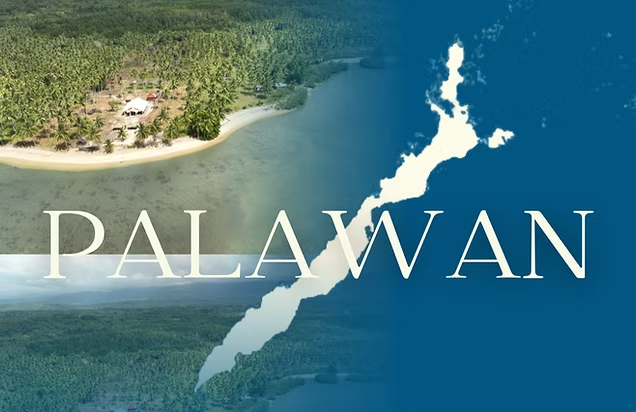
Ultimate Property Buying Tips – Top 5 Things OFWs Should Know Before Buying a Property in the Philippines Atty. Donna Manlangit-Mattingley REB President Date Published April 30, 2025 Talk to us Ultimate Property Buying Tips – Top 5 Things OFWs Should Know Before Buying a Property in the Philippines Discover the essential tips every OFW needs to know before buying property in the Philippines. Learn about location, documentation, budgeting, and more to make an informed investment. For many Overseas Filipino Workers (OFWs), the dream of owning a piece of home in the Philippines is a cherished goal—an investment that embodies stability, security, and a tangible connection to their roots. However, the journey to property ownership can be complex, requiring careful navigation of legal, financial, and logistical intricacies. This guide outlines the essential information every discerning OFW should consider before embarking on this significant milestone. 1.Know the exact location of the Property Understanding the location of your prospective property is paramount, especially for an OFW making a significant investment from afar. Consider these crucial factors: Surroundings and Neighborhood – Evaluate if the neighborhood suits your needs and lifestyle preferences. This is particularly crucial when considering a house and lot for your growing family within a subdivision. Amenities and Common Areas – Assess the quality of amenities nearby. High-quality amenities can significantly impact your living experience. For beach lots, consider access to the beach and open areas. Proximity to Essential Services – Consider the property’s proximity to essential services like schools and hospitals. This is vital for future use upon your return. Impact of Location on Property Price – Recognize how the property’s location affects its price. Deals that seem excessively attractive may warrant a closer inspection. Understanding market dynamics helps evaluate the true value of the investment. A well-rounded understanding of the property’s location ensures that your desired property aligns with both your expectations and the marketed promises. 2. Find a Reliable Property Developer Selecting a reputable developer is crucial in your property acquisition journey. Here’s what to consider: Reputation and Integrity – A trustworthy developer upholds their reputation by adhering to promised timelines and delivering on commitments. Integrity in executing plans and maintaining consistency are hallmarks of a credible developer. Physical Inspection – If possible, schedule an appointment for you or someone trustworthy to physically inspect the property and the location for authenticity. Safeguard Against Scams – Given the prevalence of scams in the real estate industry, safeguard your investment by transacting solely with established and reputable developers. Due diligence in selecting the right developer is crucial. 3. Ask for Proper Documentation Ensuring the authenticity and accuracy of property documentation is critical for OFWs investing in a new property. Here’s what to focus on: Verification of Property Title Paper Quality: Authentic property titles are printed on paper similar to that used for bank checks, with a distinct texture. Hold the title against light; the Land Registration Association watermark indicates authenticity. Description Accuracy: The land description on the title should align precisely with the surveyed land area. Real Property Tax Status: Verify the property tax status at the Assessor’s Office in the municipality where the property is located. Ensure the seller commits to updating payments through a notarized agreement if necessary. Due Diligence in Title Inspection Insist on a thorough examination of the Property Title to safeguard against discrepancies or potential issues. Engaging legal or real estate professionals can aid in the meticulous examination of property documentation. 4. Set Your Budget Crafting a comprehensive budget, considering not only the purchase price but also ongoing expenses, is instrumental in making a sound investment decision. Consider these essential aspects when determining your budget: Monthly Mortgage Fees: Calculate and assess the monthly mortgage payments aligned with your budgetary boundaries. Real Property Tax: Factor in real property taxes to anticipate ongoing financial obligations. Association Fees: Account for association fees, if applicable, as part of the property ownership. Property Insurance: Evaluate the costs associated with property insurance to safeguard your investment. Ensure that your budget aligns not just with the initial purchase but also with sustained financial stability. 5. Prepare Your Documents To facilitate your property purchase, here’s a breakdown of essential documents: Apostilled Special Power of Attorney (SPA): This document, authenticated by the Philippine consulate, authorizes a designated representative (Attorney-in-Fact) to act on your behalf in property transactions. Income Proof and Proof of Billing: Providing income proof for three months and proof of billing in the Philippines substantiates your financial capacity and residency. Tax Identification Number (TIN): Obtain a TIN, a critical identification number necessary for property transactions in the Philippines. Consularized Certificate of Employment and Compensation: This certificate, validated by the consulate, verifies your employment details and compensation. Employment Contract with Employer’s Seal and Signature: An English copy of your employment contract, bearing the employer’s seal and an authorized personnel’s signature, serves as crucial documentation. Post-Dated Checks (PDCs) for Down Payment: Preparing post-dated checks for the down payment streamlines the payment process. Passport and Identification Copies: Provide photocopies or scanned copies of your passport and other identification documents for verification purposes. Once you’ve gathered these requirements, your designated representative or you can submit the documents directly to the real estate developer, broker, or agent. Staying updated with specific documentation needs ensures a smoother transaction process. The journey of property ownership for OFWs extends beyond mere investment; it embodies a connection to homeland, stability for the future, and a cornerstone of financial security. Ready to make your dream of owning a beachfront property in Palawan a reality? Explore exclusive beach lots with Primavita Realty, your trusted partner in beach lots real estate since 2020. Seize this opportunity to secure your slice of paradise today! Lorem ipsum dolor sit amet, consectetur adipiscing elit. Ut elit tellus, luctus nec ullamcorper mattis, pulvinar dapibus leo. Sign up for our Newsletter Subscribe Quick Link About Us Portfolio Services Testimonial Contact Us Contact Details Desa Sambangan, Bali 81116 support@vistapin.com (+62) 1234-567-890 Socials Facebook Twitter Linkedin
Ultimate Guide To Buying A Beach Lot In The Philippines

Ultimate Guide to Buying a Beach Lot in the Philippines Atty. Donna Manlangit-Mattingley REB President Date Published April 29, 2025 Talk to us Ultimate Guide to Buying a Beach Lot in the Philippines If you’ve ever dreamt of owning a piece of paradise, then buying a beach lot property might just be the thing for you. Imagine waking up to the sand of waves crashing on the shore, feeling the warm sand between your toes, and soaking in the breathtaking views of the Philippine coastline. Beach lot properties in the Philippines have become increasingly popular among both local and international buyers, and in this article, we’re here to guide you through the exciting process of purchasing your very own slice of beachfront haven. Philippine Real Estate Market The Philippine real estate market has been booming, and it’s no surprise that beach lot properties are at the forefront of this surge. With an emerging economy and a growing middle class, more and more people are looking to invest in their own beach getaway. The allure of sandy beaches, crystal-clear waters, and a laid-back lifestyle is hard to resist. So, whether you’re a first-time buyer or someone looking to expand your portfolio, we’ve got you covered. This guide is designed specifically for those who are new to the world of beach lot properties in the Philippines. We’ll walk you through the essential considerations and provide valuable insights to help make your purchase a success. Understanding Beach Lot Properties In The Philippines Beach lot properties are exactly what they sound like – parcels of land located along the stunning coastlines of the Philippines. They offer direct access to the beach, which means you can wake up and have the ocean just steps away from your doorstep. Talk about a dream come true! What To Look For When Buying A Beach Lot In The Philippines: 4 Steps For Due Diligence Buying a beach lot in the Philippines is an exciting endeavor, but it’s important to approach it with due diligence. To ensure you make the right decision, let’s walk through four essential steps for conducting thorough research and evaluation. Talk about a dream come true! Step 1: Choose A Great Location The first step is to consider the location of the beach lot property. Each region in the Philippines offers unique beach experiences and attractions. Do you prefer the lively atmosphere of popular tourist destinations like Boracay or Palawan? Or do you seek a quieter and more secluded beachfront in lesser-known areas? Think about accessibility, nearby attractions and the overall atmosphere you’re looking for. Research different locations to find the one that matches your preferences and fits your lifestyle. If you have your sights set on Palawan for your beach lot property, look no further than PrimaVita Realty. Their flagship development projects are currently located in Quezon, Palawan, offering you the opportunity to own a piece of this stunning island paradise. CTA: Secure your beach lot with PrimaVita Realty today. Step 2: Consider Accessibility Next, assess the accessibility of the beach lot property. Consider the distance from major cities, airports, and transportation hubs. Accessible roads or nearby highways will make it easier for you and potential guests to reach the property. Also, think about the availability of public transportation options and the feasibility of travel arrangements for you and your visitors. A conveniently located beach lot property will not only make your own visits more enjoyable but also enhance its rental potential. Step 3: Beachfront Quality The quality of the beachfront is a crucial factor when buying a beach lot property. Take a closer look at the sand quality, water quality, and cleanliness of the beach. If possible, visit the location personally to experience the beachfront firsthand. Consider factors such as suitability for swimming, water activities, and any natural features that may enhance or detract from the overall appeal of the beach. Remember, the beachfront will be one of the main attractions of your property, so ensure it meets your expectations. Step 4: Natural Hazards and Environmental Concerns Lastly, take into account the natural hazards and environmental concerns that may impact the beach lot property. The Philippines is prone to typhoons, earthquakes, and other natural disasters. Learn about the history of the area in terms of vulnerability to these risks and the measures in place to mitigate them. Additionally, consider environmental factors such as coastal erosion, marine conservation efforts, and the preservation of local biodiversity. Being prepared and responsible in these areas will ensure the safety of your investment and contribute to the sustainable development of the coastal ecosystem. It’s important to note that Palawan has a relatively lower vulnerability compared to other parts of the country. This is one of the many reasons why investing in a beach lot in Palawan is an excellent idea. How To Buy A Beach Lot Property In The Philippines In this section, we will guide you through essential steps in buying a beach lot property in the Philippines. Whether you’re seeking reputable developers, evaluating property options or navigating legal requirements, this section aims to empower you with the knowledge and insights and turn your dream of owning a beachfront property into a reality. Engaging With Real Estate Professionals When embarking on the journey to buy a beach lot property in the Philippines, it’s crucial to engage with knowledgeable and reputable real estate professionals who can guide you through the process. Start by researching reputable real estate developers in the Philippines who specialize in beach lot properties. PrimaVita Realty is a prominent name in the industry, known for their flagship development projects in Palawan. Their expertise and commitment to creating exceptional beachfront properties make them a reliable choice for potential buyers. Set A Realistic Budget One of the crucial steps in buying a beach lot property in the Philippines is setting a realistic budget. This will help you narrow down your options and ensure that you can comfortably afford the property you desire. Consider