

Homes in Cavite range from about ₱1.5 million in the more affordable towns to more than ₱10 million in the premium areas. Many families consider Cavite for a home outside Metro Manila. This guide gives you an overview of the Cavite property market and its main areas, then walks you through five checks before you buy.
The same five checks apply to every buyer. Readers include an overseas Filipino worker (OFW) buying from abroad, a Filipino professional planning a family home, and a foreign buyer. You’ll also see which government offices can help you with each one.

Quick Summary
- Cavite homes range from about ₱1.5 million to more than ₱10 million, depending on the town.
- Main areas include General Trias and Imus, Silang and Amadeo, and Bacoor and Dasmariñas.
- Roads to know are CAVITEX, SLEX, CALAX, and Aguinaldo Highway.
- Confirm the lot fronts a public road, then drive the route at rush hour.
- Look up the lot in HazardHunterPH and ask neighbors about past flooding.
- Verify the title with the Registry of Deeds and the Land Registration Authority (LRA) before you pay.
- Check the land classification. Agricultural land can be covered by agrarian reform, and converting it needs clearance from the Department of Agrarian Reform (DAR).
- Get the water source, power connection status, and internet options from the seller.
Check out properties for sale in Cavite by Primavita Realty.
What Buyers Can Expect From The Cavite Property Market
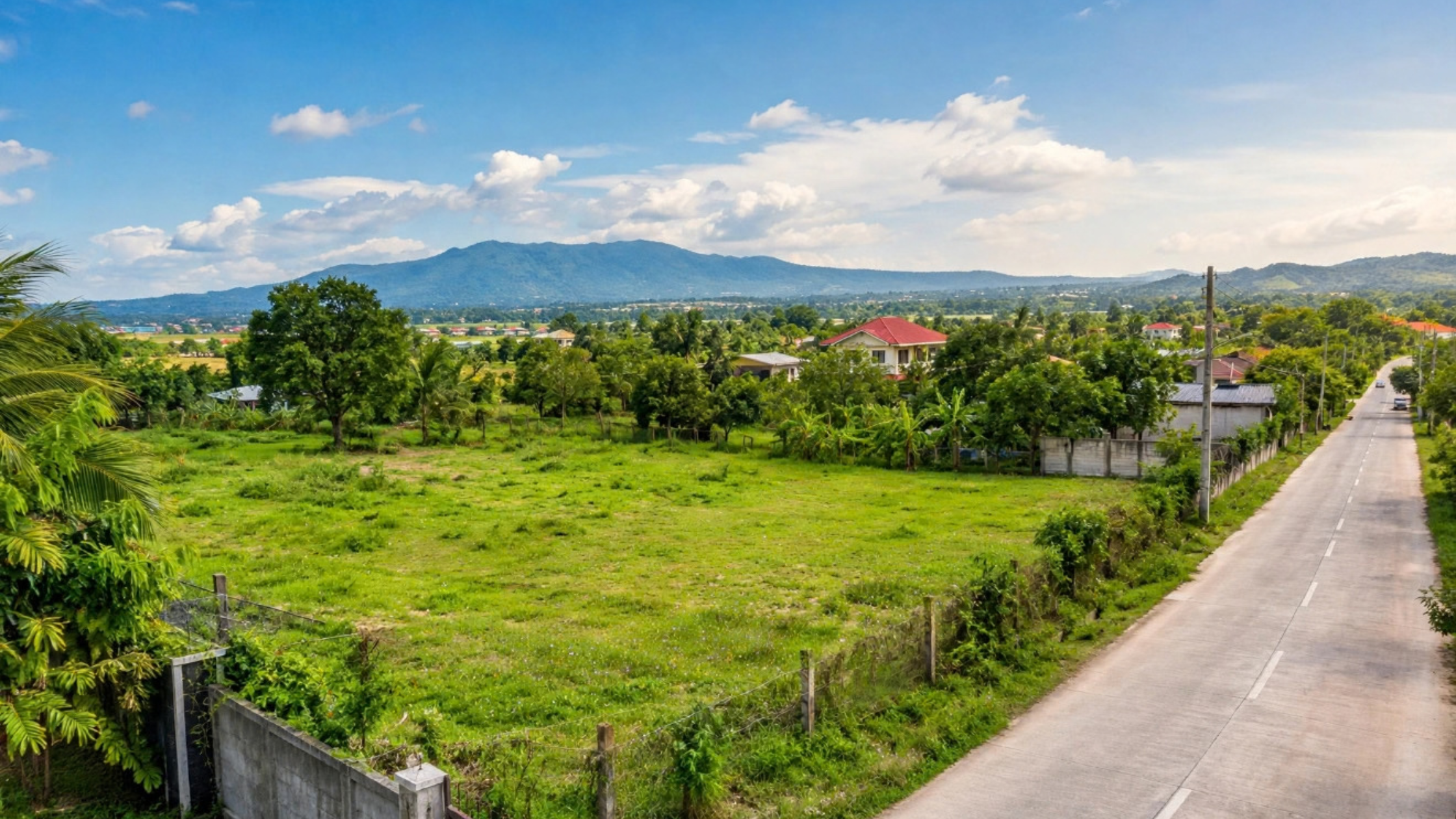
Photo credit: Google
Cavite is a popular choice for families who want a home outside Metro Manila. Prices vary widely because the province has affordable townhouse communities, mid-range subdivisions, and premium estates.
Your budget will mostly decide which area fits you.
The table below shows estimated price ranges by property type. Prices change by project and over time, so please use the figures as a starting point and check current listings.
Property Type | Typical Areas | Estimated Price Range |
|---|---|---|
Affordable Townhouse | General Trias, Noveleta, Tanza | ₱1.5 million to ₱3.5 million |
Mid-Range House And Lot | Dasmariñas, Imus, Bacoor | ₱4 million to ₱10 million |
Premium Or Luxury Estate | Silang, near Tagaytay | ₱11 million to ₱75 million or more |
In plain terms, a budget between ₱1.5 million and ₱3.5 million covers townhouses in General Trias, Noveleta, and Tanza.
A budget between ₱4 million and ₱10 million covers house-and-lot homes in Dasmariñas, Imus, and Bacoor. Estates in Silang, near Tagaytay, start around ₱11 million.
Budgets Buyers Search For In Cavite
Many buyers search by budget. Common searches include a house and lot worth ₱500,000, ₱1 million, or ₱3 million. Others add details such as two bedrooms, second-hand, or fully furnished.
Some searches also ask for a home that is ready for occupancy (RFO), which means the home is finished and ready to move in.
A ₱3 million budget sits inside the affordable range in the table. Budgets of ₱1 million and ₱500,000 sit below that range, so those listings need extra care.
Check that the seller is the registered owner, especially when you buy second-hand or directly from an owner.
The title check in step 3 below explains how.
Popular Areas In Cavite And The Roads That Connect Them
Road access shapes daily life in Cavite. If you commute to Metro Manila or Laguna, the road you take matters as much as the neighborhood you choose.
Here are the main areas buyers look at and the roads that serve them.
General Trias And Imus For Planned Communities
General Trias and Imus are known for large master-planned communities. Families who want a ready-made neighborhood find many planned communities here. Buyers can reach CAVITEX from both areas, and General Trias also connects to CALAX.
Silang And Amadeo For Cooler Weather
Silang and Amadeo are close to Tagaytay, so the weather is cooler than in the lowland towns. Buyers look here for suburban living and for homes that several generations can share.
Higher-end developments are also found in Silang.
Bacoor And Dasmariñas For City Convenience
Bacoor and Dasmariñas are busy urban areas with shops, schools, and services close by. CALAX serves Dasmariñas. The first phase of the LRT-1 extension already runs to Parañaque, and the last phase is planned to reach Niog station in Bacoor.
Roads And Expressways Buyers Should Know
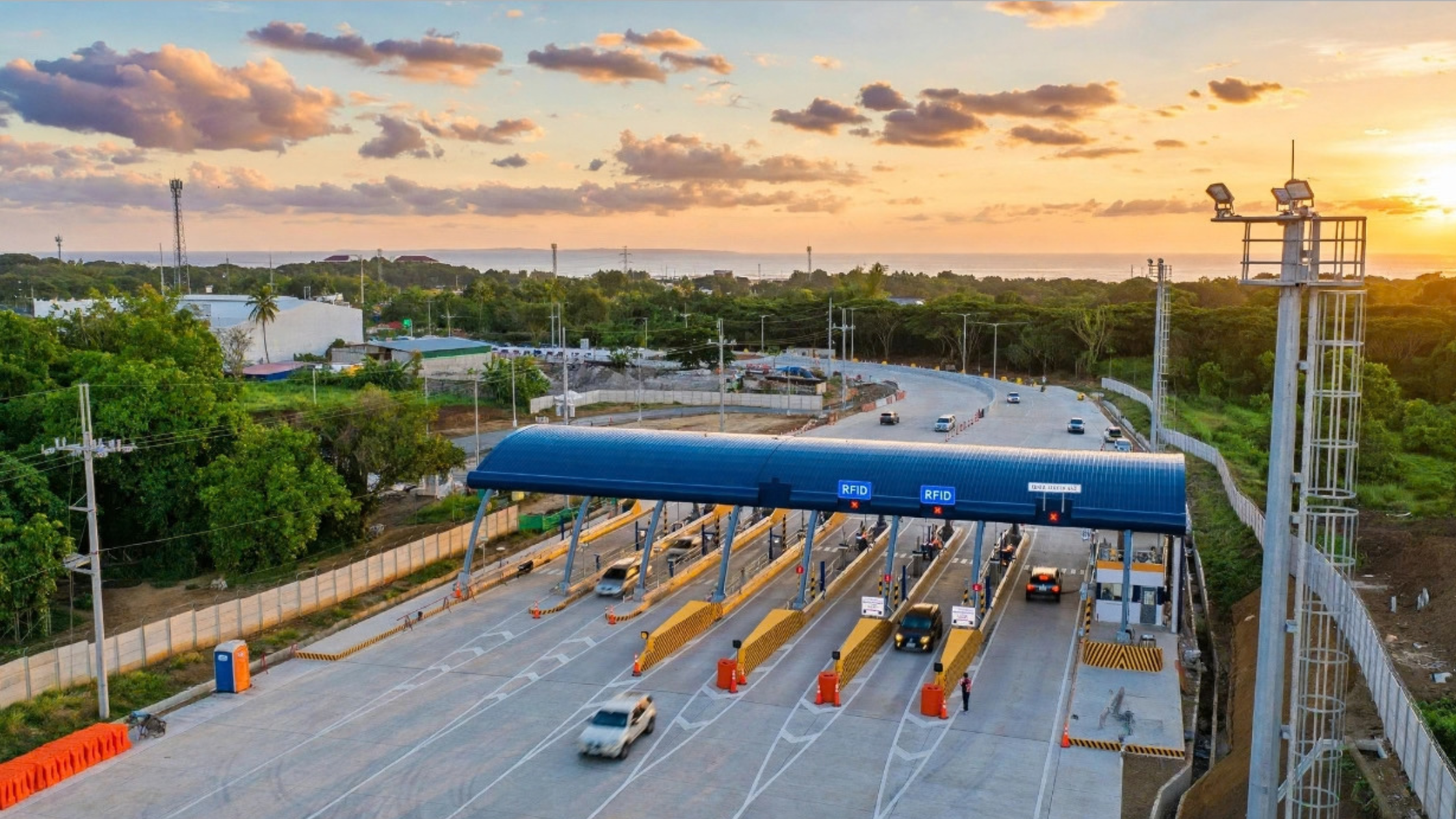
CAVITEX, formally the Manila–Cavite Expressway, connects Cavite to Metro Manila. SLEX is another main route toward Metro Manila. Aguinaldo Highway runs through the province and links many of its towns.
CALAX links Cavite to Laguna. Parts of it are open, and other sections are still being built.
Once you’ve chosen an area, five checks help you confirm that a specific lot or house is right for your family.
1. Confirm Road Access And Real Travel Time
A good first step is to check the road that reaches the lot. Find out whether the lot fronts a public road or sits behind land that someone else owns. If it is located behind private land, please ask to see the written right of way.
Next, test the travel time yourself.
Think about which of the roads above you would use each day, such as Aguinaldo Highway, CAVITEX, SLEX, or CALAX.
Then drive from the lot to your workplace, your children’s school, or the nearest hospital, at the hour you would really travel.
Weather changes the answer, so visit once after heavy rain and see whether the access road is still passable.
Dirt roads and low bridges deserve a closer look. Ask the seller for the distance from the lot to the nearest public road, then measure it yourself.
If you’re buying from abroad, a trusted representative can make the drive and record a video for you.
Read Primavita Realty’s guide to buying from abroad which explains how remote buying works.
2. Check Flood Risk And Lot Elevation
A lot on low ground collects water when it rains hard, and that’s worth knowing before you buy.
The government’s HazardHunterPH hazard reports show whether a selected location is prone to hazards such as flooding. Use the tool as a first check, then confirm with people who live nearby.
A visit to the barangay office is another good step. Ask about past floods on that street, and talk with two or three neighbors. Photos taken in the dry season hide the problem, so what residents tell you is worth more than a listing image.
Look at drainage as well. Check whether canals near the lot are clear or blocked with trash, and whether water pools on the lot after rain.
Then compare the lot’s height with the nearest road and creek. Low-lying lots near rivers or the coast need the most care.
If the seller can’t say how high the lot sits, treat that as an open question until you see the ground yourself.
3. Verify The Title And The Seller
A clean title protects your family’s investment.
Sellers usually hand over a photocopy, and it’s best not to rely on a photocopy alone.
Take the title details to the Registry of Deeds and the LRA. Ask for a certified copy and compare it with the seller’s copy. Look for liens, annotations, and any mismatch in names or lot numbers.
We list each step in the clean land title guide.
Next, confirm with the Bureau of Internal Revenue (BIR) and the local tax office that no taxes on the property are unpaid. Our real property tax guide explains what those payments cover.
Expert Tip: Run the title check before you pay a reservation fee, because the fee may not be refundable.
Please check the seller too. If you’re buying from a developer, ask whether earlier buyers received their titles on schedule, and ask to visit a finished project. If you’re buying second-hand or from an owner, ask for the owner’s valid ID and match the name to the title. Take note these tips to avoid property scams before you sign anything.
Foreign buyers face one more limit. Philippine law does not allow direct foreign ownership of land.
4. Confirm The Land Classification And Its Allowed Use
A farm lot and a residential lot can look identical on a site visit. Please ask the seller in writing how the lot is classified. Then confirm the answer with the city or municipal government.
Agricultural land can be covered by agrarian reform. Converting it to another use needs DAR clearance. Ask for the conversion status before you plan a house or any other building.
The local zoning office can tell you what the lot may be used for. A house, a small farm, and a business each have different requirements. Find out who pays for conversion and how long the process takes.
Our guide on condo, house, or raw land compares property types if you’re still deciding what to buy.
5. Ask About Water, Power, And Internet
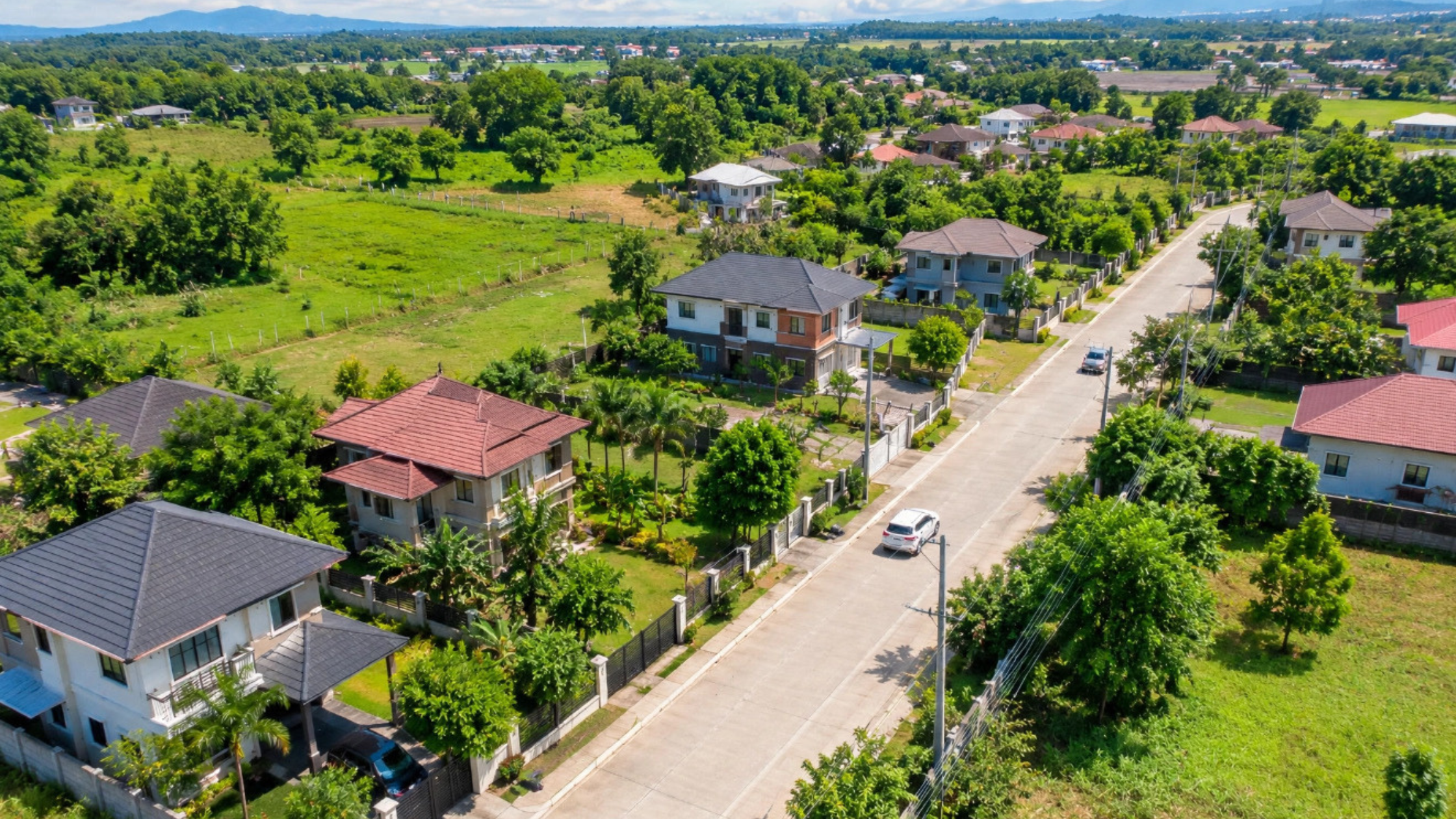
Photo credit: Google
A lot with a clear title and a good road can still lack a water line. Please ask the seller where the water comes from. The source could be a utility connection, a deep well, or a delivery service.
Find out whether the power line already reaches the lot. If it doesn’t, ask who pays for the extension and how long the application takes. The answer changes your total cost.
Internet matters if you work from home. Test the mobile signal on site and ask nearby homeowners which provider works best.
If the seller mentions a deep well, ask for a recent water test result, and collect every utility answer before you commit.
Learn More About Properties In Cavite By Primavita
Whichever area you choose, finish the five checks above before you pay for any property in Cavite. Getting each answer in writing gives your family a clear record to rely on.
Primavita’s Cavite listings are farm lots. Because farm lots are agricultural land, the land classification check in this guide applies to them too.
Talk to Primavita’s sales professionals if you have questions about a lot or want to schedule a viewing.