
Farm Lot or Beach Lot in the Philippines: Which One Actually Fits Your Plan?

Farm Lot or Beach Lot in the Philippines: Which One Actually Fits Your Plan? Atty. Donna Manlangit-Mattingley REB President Date Published September 25, 2026 Talk to us A beachfront lot in Brgy. Aramaywan, Quezon, Palawan starts at ₱650,000. A farm lot in Alfonso, Cavite, or Aborlan, Palawan, costs less, but it earns and grows in value in different ways. Picking between the two isn’t about which land is “better.” It’s about what you actually want the property to do for you over the next ten years. This guide breaks down farm lots and beach lots as investment types, not just as land. You’ll see where each one earns money and where it carries risk. This is a common question for an OFW planning a retirement lot, a foreign buyer, and even a Filipino professional buying their first parcel. Quick Summary Farm lots cost less per square meter and can generate leasing or agricultural income, but the price appreciates slowly and depends on local infrastructure. Beach lots, especially in a coastal zone like Palawan, tend to appreciate faster and sell well to tourism buyers, but they cost more upfront. Farm lots can carry agrarian land-classification restrictions that beach lots don’t face in the same way. Both property types need the same non-negotiable step, a verified, transferable title before any money changes hands. See Primavita’s current farm lot and beach lot listings. What A Farm Lot In The Philippines Actually Buys You A farm lot is priced mainly for the size of the land, not for its surroundings. Lower cost per square meter is appealing for a first-time buyer or an investor who wants more land for the same budget. Income from a farm lot usually comes from agricultural use. You can lease it to a tenant farmer, or run a smaller agro-tourism setup like an orchard or event space. None of this is passive the way a rental condo is passive. It takes labor, water access, and tolerance for a bad harvest year. Appreciation is usually slower for a farm lot than for a beach lot. The value of a farm lot climbs with nearby roads, utilities, and development, not with scarcity. Beach lots don’t carry this risk the same way. Agricultural land in the Philippines can fall under Comprehensive Agrarian Reform Program coverage. If you convert it to residential or commercial use, it requires clearance from the Department of Agrarian Reform. Expert Tip: Confirm a lot’s classification before assuming you can build on it freely. DAR publishes its conversion rules directly. A farm lot is best suited for a hold of ten years or more, not a fast resale. Photo Credit: Google What A Beach Lot In The Philippines Actually Buys You The amount of coastal land in the Philippines is limited and not growing. Coastal scarcity is the main investment case for a beach lot. The upside is faster appreciation and easier resale, especially in a province with growing tourism. The downside is the same scarcity working against you at the time of purchase. You’re paying a premium for something that can’t be replicated a few kilometers inland. Title risk is higher here too, mostly because beachfront land attracts more resellers and more shortcuts. Make sure to verify a title through the Registry of Deeds, the Land Registration Authority (LRA), and the Bureau of Internal Revenue (BIR) before paying anything. Skipping that step is how a buyer loses their savings to a document that looked clean on paper. Foreign buyers face an added layer. Philippine law doesn’t allow direct foreign ownership of land, beachfront or otherwise. There are workarounds available, but they are specific enough to need their own explanation. Farm Lot Vs. Beach Lot, Side By Side Farm lot Beach lot Entry cost Lower per square meter Higher, scarcity-priced Income source Agriculture, leasing, agro-tourism Tourism rental, resale demand Appreciation driver Local infrastructure and development Coastal scarcity and tourism growth Main regulatory risk DAR agrarian classification Title verification, foreign ownership rules Typical holding period 10+ years 3 to 5 years for resale, longer for personal use Neither column is the safe choice. Farm lots cost less but usually take longer to grow in value and sell. Beach lots cost more but usually grow in value faster and sell more easily. Which One Fits Your Situation For An OFW Planning A Retirement Property For an OFW planning a retirement property from abroad, a beach lot is often the more appealing choice. It offers something to look forward to, and it holds value while you’re still working overseas. Primavita’s remote-buying process includes a Special Power of Attorney (SPA), apostille, and documented updates at each stage, which makes buying from overseas more manageable. Documentation and follow-up are usually the biggest worry for a buyer working from a different time zone. Regular updates matter as much as the paperwork itself. A farm lot can still make sense if your family already lives on or works land in the area. For most OFWs, though, a beach lot is the more common first choice. A fuller comparison against condos and house-and-lot options is worth reading before committing either way. For A Foreign Buyer For a foreign buyer weighing ownership limits, a farm lot doesn’t remove the legal restriction. The same ownership workarounds apply to both property types, whether the land sits inland or on the coast. Lifestyle is what usually decides it. A working farm lot suits someone planning to live on the land full-time. A beach lot suits someone buying a coastal retreat or a rental asset. If privacy and quiet surroundings are the priority, a farm lot offers that as much as a stretch of coastline does. For A Filipino Professional For a Filipino professional buying a first investment lot domestically, a farm lot carries less financial risk to start with. The lower price means a mistake costs less to recover from. A beach lot still works well if the goal is a future retirement home, not just an investment. Final
Buying Property in the Philippines Without Getting Scammed: 5 Proven Tips
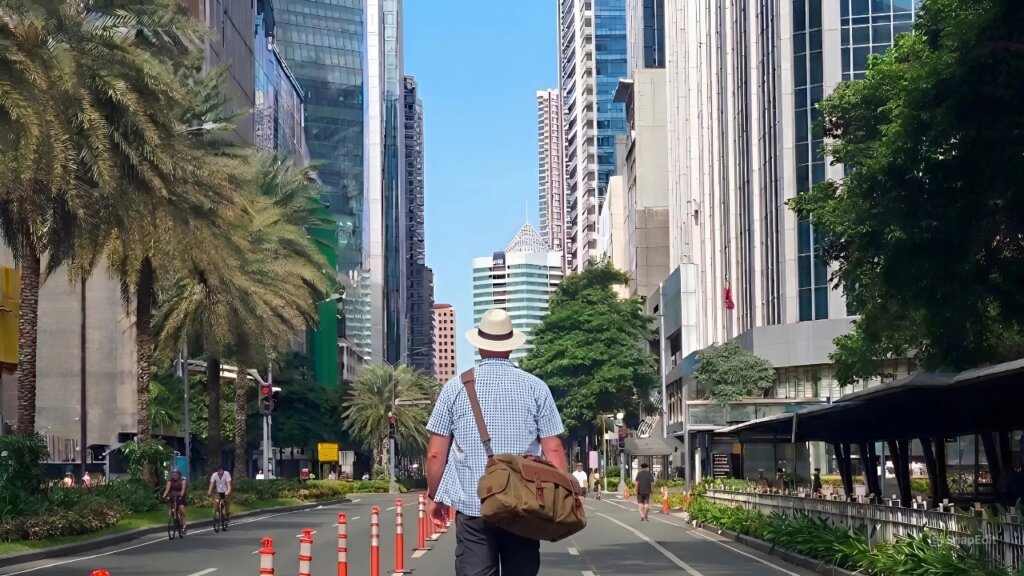
Buying Property in the Philippines Without Getting Scammed: 5 Proven Tips Atty. Donna Manlangit-Mattingley REB President Date Published September 7, 2026 Talk to us Legal guidance in this blog is reviewed by Atty. Donna Patricia Manlangit-Mattingley, REB President, licensed broker and lawyer. Double sale, fake titles, and lots quietly listed as “tax declaration only” are the three ways most property buyers in the Philippines lose money to a bad seller. All three are preventable if you know what to check before you sign anything, not after. A common version of the scam looks simple on the surface. A buyer wires a reservation fee to someone who isn’t the actual owner, gets a scanned copy of a title that looks fine, and only finds out months later that the same lot was sold to somebody else the year before. This blog walks through five checks that actually catch problems like that. Verify the title itself, confirm who has the legal right to sell it, inspect the lot in person, read the price and timeline correctly, and lock down the payment so a double sale can’t happen to you. The Five Checks to Catch a Property Scam Early Verify the title yourself through the Registry of Deeds or the Land Registration Authority, not through a copy the seller hands you. Confirm the seller’s legal right to sell, checking the agent’s PRC license or the representative’s notarized SPA. Inspect the lot in person, or send someone independent to do it for you, including a geodetic engineer to confirm the actual boundaries. Read a below-market price or a rushed timeline as a warning, not a bargain. Pay through a verifiable account and register the Deed of Absolute Sale immediately after signing, not whenever it’s convenient. Tip 1: Verify the Title Independently, Not Just the Seller’s Copy Never take a photocopy of a title at face value. Start by getting a Certified True Copy of the Transfer Certificate of Title straight from the Registry of Deeds or the Land Registration Authority where the property is located, not from the seller. Once you have that copy in hand, read the Memorandum of Encumbrances on the back pages carefully, since that’s where existing mortgages, liens, or an active court case (a lis pendens) would show up. Pro Tip: A seller with something to hide will rarely bring it up first. The same visit is a good time to check the Tax Declaration and request an updated Real Property Tax Clearance from the Municipal or City Assessor’s Office. Unpaid property taxes attach to the land itself, not to whoever owed them, so that liability follows you the moment you take ownership. Beachfront and other provincial lots carry one more check that condo buyers never have to think about. Foreshore and easement rules apply here. Land within the legal easement of the shoreline can’t be privately titled at all, and a lot advertised as “beachfront” sometimes turns out to have no titled road access to the water. Confirm both the title’s technical description and the actual right-of-way before you get emotionally attached to the location, since this is exactly the kind of detail a document search alone won’t catch. For the full step-by-step process, see our guide on how to verify if a land title is clean in the Philippines. Photo Credit: Google Tip 2: Confirm the Seller Actually Has the Authority to Sell Check the Broker or Agent’s PRC License Ask for the agent’s Professional Regulation Commission ID and verify the name, license status, and expiration date on the PRC’s own website. An unaccredited “coordinator” or online referrer with no PRC number isn’t a shortcut, it’s the actual risk. If You’re Dealing With a Representative, Demand a Valid SPA If the person in front of you isn’t the titled owner, ask for a notarized Special Power of Attorney that names them specifically and states, in writing, that they’re authorized to sell this exact property. This step matters most for OFWs and buyers abroad, since the whole transaction often runs through a representative by necessity. Our step-by-step OFW guide covers how to set this up correctly from the start, not fix it after the fact. Photo Credit: Google Know the Difference Between Pre-Selling and Titled Lots A developer’s License to Sell and Certificate of Registration from DHSUD matter for pre-selling condos and subdivisions. They don’t apply the same way to a lot that’s already subdivided, already titled, and sold directly by the landowner. Knowing which category you’re actually in changes what “verified” means for your purchase. Tip 3: Inspect the Property in Person, Not Just on Paper Hire an Independent Geodetic Engineer Have a geodetic engineer, hired independently of the seller, confirm that the lot’s actual boundaries match the technical description and survey plan number on the title. Locate the concrete ground markers, the muhon, yourself if you can. A title can be perfectly clean on paper and still describe a different piece of land than the one you’re standing on. Talk to Neighbors or the Homeowners Association A short conversation with the people who already live near the lot will often surface a boundary dispute or an inheritance claim faster than any document search will. It also confirms the seller is who they say they are. What to Do If You Can’t Inspect in Person If you’re buying from abroad, arrange an independent, trusted party to walk the lot for you before you commit. That’s a real request to make of any seller, and a seller who resists it is telling you something. Tip 4: Treat Below-Market Pricing and Rushed Timelines as a Warning A price well below what comparable lots are going for isn’t a lucky find. It’s usually a sign the seller needs the deal closed before you have time to check anything. This is different from a disclosed, standard discount, spot-cash terms offered consistently across a launch are a pricing structure, not a red flag. What should worry you is an unexplained discount tied
Is Palawan a Good Real Estate Investment? What Buyers Need to Know

Is Palawan a Good Real Estate Investment? What Buyers Need to Know Atty. Donna Manlangit-Mattingley REB President Date Published August 18, 2026 Talk to us Palawan appears on nearly every list of Asia’s most beautiful islands, and for foreign buyers, that visibility raises a harder question. “Is the opportunity as sound as the scenery?” Beyond the turquoise waters, overseas buyers usually want clarity on two things: what they can legally own under Philippine law, and whether they can trust a purchase process managed remotely, often with a broker they’ve never met in person. This guide, from a licensed broker who works directly with foreign buyers in Palawan, covers the investment case, ownership structures, location trade-offs, real risks, and the steps to buying from abroad. Is Palawan worth investing in? Here is the short answer. Yes, Palawan can be a strong long-term real estate investment for the right buyer, though the answer depends on a few key factors: Citizenship: Foreigners cannot own land directly, but condominium, leasehold, and corporate structures allow legal participation. Property type: Beachfront lots, house-and-lot packages, and condo units carry different risk and liquidity profiles. Location within Palawan: Puerto Princesa, El Nido, San Vicente, Coron, Quezon, and Aborlan each offer different infrastructure, pricing, and growth stages. If you’re weighing whether Palawan fits your goals, our team at Primavita Realty is happy to walk through the options with you, no pressure, just a clear picture of what’s available. Why are the Property Values Rising? Several factors continue to support demand for Palawan real estate. Tourism remains a major driver, with destinations such as El Nido, Coron, and San Vicente attracting both domestic and international visitors. At the same time, Palawan’s environmental zoning under the Strategic Environmental Plan (SEP) limits how much coastal land can be developed, which keeps buildable inventory scarce even as interest grows. Infrastructure improvements, including airport upgrades and better road networks reaching areas like Quezon and Aborlan, have also widened access to parts of the province that were once difficult to reach. That said, Palawan is not as liquid as Metro Manila. Properties can take longer to resell, especially in earlier-stage areas. This market rewards patient buyers more than those seeking a quick exit. Approximate beachfront lot prices per square meter, based on our current listings and comparable active listings: Palawan: Roughly ₱2,000 to ₱15,000+ per sqm Quezon: From ₱2,000 to ₱4,000/sqm Aborlan: From ₱13,000+/sqm Cebu: ₱8,000 to ₱40,000+ per sqm in established coastal markets Boracay: ₱20,000 to ₱80,000+ per sqm where inventory is extremely limited If you would like to explore opportunities currently available, browse our available Palawan beachfront lots. Photo Credit: Google What Can a Foreign Buyer Legally Own in Palawan? This is often the biggest concern for international buyers, and it deserves a straightforward answer. Foreigners cannot directly own land in the Philippines. Three legal structures allow participation instead. Condominium Ownership (Republic Act 4726, the Condominium Act): A foreigner can own a condo unit outright, as long as foreign ownership across the entire project stays under 40%. Best for buyers who want a simple, bank-financeable structure. Long-term leasehold (Republic Act 7652, the Investors’ Lease Act, as amended by Republic Act 12252 in 2025): Qualified foreign investors can now lease private land for up to 99 years in a single term, up from the previous 50-year-plus-25 structure. Larger tourism-related leases typically require a minimum investment threshold, so this route suits bigger developments more than a single beachfront lot purchase. Best for long-term, large-scale use. Philippine corporation structure: The buyer holds shares in a majority Filipino-owned corporation that legally owns the land. Best for larger or commercial investments. Work with a licensed broker and independent legal counsel to confirm which structure fits your situation before proceeding. For buyers evaluating funding options, it is also helpful to understand how financing works in the Philippines before beginning the acquisition process. Which Areas in Palawan Offer the Best Value for Buyers Right Now? Not all areas of Palawan are equally developed, and understanding the differences can help align your investment with your goals. 1. Aborlan Infrastructure Level: Moderate and improving, with mostly concrete road access and utilities already in place. Closer to Puerto Princesa than Quezon, at roughly 1 to 1.5 hours. Approximate Price Range: Mid-range, reflecting its more developed, move-in-ready inventory. Best For: Buyers wanting a shorter drive from the city and a property that’s ready to use immediately rather than a raw lot. Curious about this emerging coastal area? View our current listing or schedule a viewing to explore available lots. 2. Puerto Princesa Infrastructure Level: Highest in Palawan, with established services, hospitals, schools, and commercial centers. Approximate Price Range: Moderate compared to major tourism hotspots. Best For: Buyers prioritizing convenience, accessibility, and year-round livability. 3. El Nido Infrastructure Level: Improving, but development remains carefully controlled. Approximate Price Range: Among the highest in Palawan. Best For: Buyers seeking long-term tourism-driven value and premium locations. 4. San Vicente Infrastructure Level: Developing, supported by road improvements and airport access. Approximate Price Range: Generally more affordable entry point. Best For: Buyers looking for growth potential and larger land parcels. 5. Quezon Infrastructure Level: Earlier-stage, with basic barangay services (public market, school, local eateries) rather than large commercial infrastructure. Road access is via a secondary national road, roughly 2 to 2.5 hours from Puerto Princesa. Approximate Price Range: Among the most affordable in Palawan, with beachfront lots generally available well under El Nido or Coron pricing. Best For: Buyers prioritizing value and larger or multiple lot acquisitions over immediate convenience. Curious about this emerging coastal area? View our current listing or schedule a viewing to explore available lots. 6. Coron Infrastructure Level: Moderate, with growing tourism facilities and expat presence. Approximate Price Range: Mid-range to premium depending on location. Best For: Investors interested in dive tourism and lifestyle-focused ownership. Each location offers different opportunities and trade-offs. Buyers should evaluate not only price but also accessibility, utility availability, and development restrictions before making a decision. What are the Honest Risks
The Primavita Team Explores the Tabon Caves
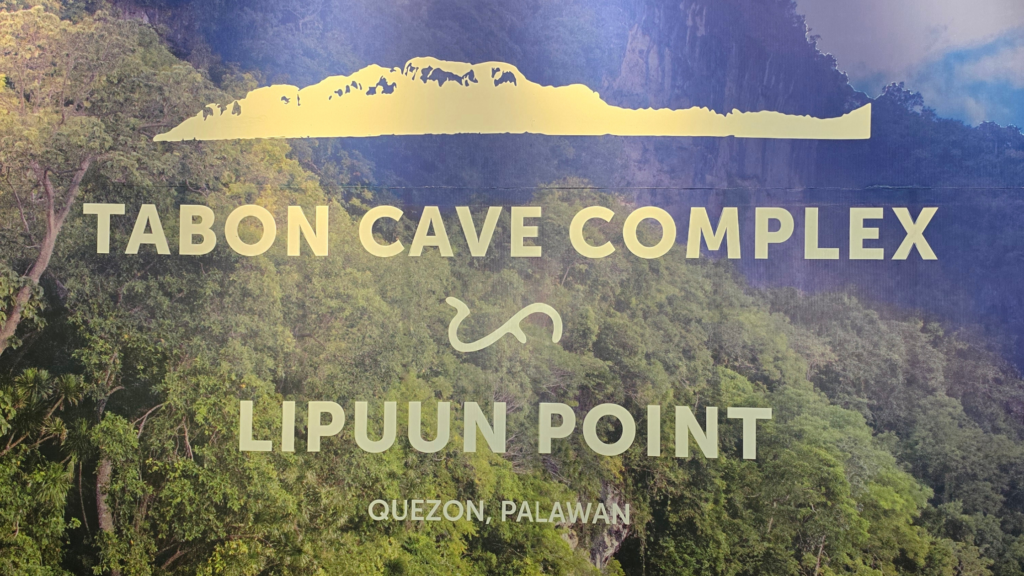
The Primavita Team Explores the Tabon Caves Atty. Donna Manlangit-Mattingley REB President Date Published July 22, 2026 Talk to us Hello from sunny Quezon, Palawan! This summer, the whole Primavita Realty team took a day off from site visits and paperwork to do something we have been meaning to do for ages: explore the Tabon Cave Complex, the very same caves we all read about in our Sibika at Kultura classes back in grade school. Remember the Tabon Man? He was found right here, practically in our backyard, and in yours too, if you own one of our beachfront lots! Walking through those caves and imagining early humans living there some 50,000 years ago was surreal, humbling, and honestly a lot of fun. Come along with us on this little journey through time. How to Get There Here is some great news: visiting the Tabon Caves is easier than ever. The National Museum of the Philippines has built a new concrete road and boardwalk that takes you straight to the cave entrance, no boat ride needed. From Aramaywan, it is just about an hour’s drive. And here is a friendly tip: residents of Quezon, Palawan get in for free (we happily flashed our proof of residency!). For everyone else, the rates are very reasonable: Php200 for international tourists Php100 for domestic tourists Php50 for local Palaweños The Tabon Cave Museum Before you even reach the caves, make time for the site museum. The building itself has a story because it was once the field station where archaeologists lived and worked during the big excavations of the 1960s, most famously the team of Dr. Robert Fox, the American archaeologist who was then chief of the National Museum’s Anthropology Division. The whole complex sits on a dramatic limestone formation at Lipuun Point, in the village of Panitian here in Quezon, Palawan. And here is a number that surprised us: the site actually covers 218 caves, of which 38 have been found to contain archaeological treasures. Picture a limestone headland rising from the west coast of Palawan, visible for many kilometers in every direction and honeycombed with caves and rock shelters, about 200 of them across roughly 104 hectares. The locals call it Lipuun, and the caves take their collective name from the main cave, Tabon, named after the megapode bird that digs its nest into the ground. We even saw several nests of the Tabon bird inside the caves. Why is this place such a big deal? Because it was the first site to prove that humans were living in the Philippines during the Ice Age. The caves tell a nearly continuous story of human life from at least 50,000 years ago, including a tibia fragment that may be the oldest Homo sapiens fossil ever found in Southeast Asia, dated to around 47,000 years old. Replica of the famous Manunggul Jar Layer by layer, the caves revealed ancient stone tools, a remarkable jar burial tradition, and even Chinese porcelain from the Song and Yuan Dynasties. This is proof that Palawan was trading with the wider world centuries before any of us showed up with our beach umbrellas. Exploring the Tabon Cave Museum We lucked out, there was a guided tour running the day we visited, and the National Museum now lets visitors explore nine of the caves. Our guide was Tagbanua, and that made the experience extra special. The Tagbanua are one of the oldest indigenous groups in the Philippines, and research strongly suggests they are direct descendants of the ancient people who once lived in these very caves. Their language, farming methods, and spiritual beliefs echo those of the cave dwellers. The climb up to the caves is a bit of a workout (take it slow like we did!), but hearing our guide explain each cave’s significance made every step worth it. A heads-up: the original artifacts are now housed at the National Museum of Anthropology in Manila, but the caves themselves are the real stars. Our favorite part? Our guide pointed out what he called the Tagbanua’s outdoor pharmacy and grocery, nearly every plant along the trail has a medicinal or nutritional use. That is the kind of knowledge that deserves to be passed down for generations. Lessons From The Past As we made our way back to where we started, it struck us that we were really looking at real estate history. Over thousands of years, these caves served as homes, then burial grounds, then homes again. Generation after generation choosing this same beautiful corner of Palawan to live, rest, and be remembered. We came home reminded of just how rich this place is: in natural resources, in history, and in culture. We feel genuinely lucky to call it home. Come Visit, and Maybe Stay for Good So here is our warm invitation: the next time you visit your beachfront lot, set aside half a day for the Tabon Cave Museum and the cave tour. Bring the kids, bring your walking shoes, and bring your sense of wonder. We guarantee it will be worth your while. Few places in the world let you swim in turquoise waters in the morning and stand where 50,000 years of human history unfolded in the afternoon. And if this newsletter has you dreaming of your own piece of paradise, or a second lot next to the first, we still have a limited number of beachfront lots available in Quezon, Palawan. Early humans chose this coastline 50,000 years ago; we like to think they were on to something. Reach out to us at Primavita Realty and we would be delighted to walk the beach with you. Until the next adventure!
How to Buy Property in the Philippines While Living Abroad: A Step-by-Step OFW Guide

How to Buy Property in the Philippines While Living Abroad: A Step-by-Step OFW Guide Atty. Donna Manlangit-Mattingley REB President Date Published July 14, 2026 Talk to us Working abroad often means making sacrifices for your family’s future. While you’re building a career overseas, it’s natural to want something tangible waiting for you back home, a property where your family can live, a retirement retreat, or an investment that grows over time. Yet many overseas Filipinos hesitate because they aren’t sure how to buy property in the Philippines while living abroad. The good news is that thousands of OFWs successfully purchase property every year without setting foot in the Philippines during the transaction. With the right preparation, trusted representatives, and proper documentation, the process is far more straightforward than most people realize. Whether you’re planning for retirement, securing a future home for your family, or exploring beach lot investments in the Philippines, this guide will walk you through every step. By the end, you’ll have a clear understanding of the OFW real estate process in the Philippines and the confidence to move forward with your plans. Can OFWs Really Buy Property in the Philippines From Abroad? Yes. Thousands of OFWs and Filipinos living overseas successfully buy real estate in the Philippines from abroad every year. Here’s a quick overview of the process: Set Your Budget and Purpose – Determine whether you’re buying for retirement, family use, or investment. Choose a Trusted Representative – Appoint someone reliable to act on your behalf in the Philippines. Prepare a Special Power of Attorney (SPA) – Consult a lawyer to help draft this SPA to ensure that it is time bound and contains only specific actions that your representative can do for you. Have the SPA Apostilled – Search for the apostille nearest you. Search for Properties Remotely – Research developers, locations, and titles online. Reserve the Property and Submit Requirements – Secure your chosen property and provide required documents. Handle Payments From Abroad – Use secure banking and remittance channels for all transactions. Monitor Progress and Coordinate Turnover – Stay updated until ownership and turnover are completed. The one non-negotiable requirement for a remote property purchase in the Philippines is a properly executed Special Power of Attorney (SPA). Step 1: Set Your Budget and Purpose Before looking at listings, define exactly why you’re buying property. Are you purchasing for retirement? Planning a future family home? Looking for a long-term investment? Your purpose will influence the type of property, location, and budget you choose. It’s also important to buy within your means. While overseas income may be higher than local earnings, employment situations can change. Focus on a property you can comfortably maintain even during unexpected circumstances. If financing is needed, explore a Pag-IBIG OFW loan and other available payment options. Understanding your financing choices early helps narrow your property search and prevents delays later in the process. For more information, explore our financing options for beach lot buyers. Step 2: Choose a Trusted Representative (Attorney-in-Fact) Photo Credit: Google Since you’re overseas, you’ll need someone in the Philippines who can act on your behalf. This person is called your Attorney-in-Fact, and they may be: Your spouse A sibling A trusted relative A close family friend A licensed real estate broker Choose carefully. This individual may attend meetings, sign documents, submit requirements, and coordinate with developers or sellers. Avoid granting overly broad authority. Instead, authorize only the specific actions necessary for the transaction. This is where the Special Power of Attorney (SPA) becomes essential. Without a properly executed SPA, your representative cannot legally complete most property-related transactions for you. Step 3: Prepare Your Special Power of Attorney (SPA) The SPA is one of the most important documents in the entire OFW property buying process. A Specific SPA clearly identifies the property involved and precisely states which actions your representative is authorized to perform. This protects both you and your investment by limiting authority only to necessary transactions. In most cases, your SPA should authorize your representative to: View and inspect the property Reserve the property Sign reservation agreements Submit requirements and supporting documents Sign contracts and related paperwork Sign the Deed of Absolute Sale STEP 4: Have the SPA Apostilled Typically, if you’re in the Philippines, you need to have the document notarized. But if you’re abroad, you need to have it apostilled. An apostille is a form of international authentication issued under the Hague Convention of 1961, which the Philippines acceded to in 2019, replacing the older process of document legalization through consular authentication (the “red ribbon” system). Depending on your location, you can search for the nearest apostille. You may have to appear and sign the document before the apostille. Once the apostilled SPA arrives in the Philippines, it is generally ready for use with government agencies, banks, the Registry of Deeds, and other institutions, Starting early allows you to act quickly when the right opportunity appears and prevents delays that could jeopardize a reservation or purchase. Step 5: Search for Properties Remotely Photo Credit: Google Thanks to digital tools, researching property from abroad is easier than ever. You can browse listings through platforms such as Lamudi, developer websites, and trusted real estate companies like Primavita Realty. However, don’t rely solely on photos and marketing materials. When evaluating a property, pay close attention to: Title status and ownership documentation Developer reputation and track record Accessibility and infrastructure Utilities and road access Project development status Long-term growth potential Many OFWs also compare Ready for Occupancy (RFO) properties with pre-selling developments. RFO properties offer immediate usability and reduced uncertainty, while pre-selling properties often provide lower entry prices and flexible payment terms. The right choice depends on your goals, timeline, and risk tolerance. Virtual tours, drone footage, and live video call site visits can provide valuable insights when you cannot personally visit the property. If you’re considering coastal investments, our comprehensive beach lot buying guide can help you evaluate opportunities more effectively. You can also learn
Pampanga Real Estate: Why Land Near Clark and NLEX is Booming
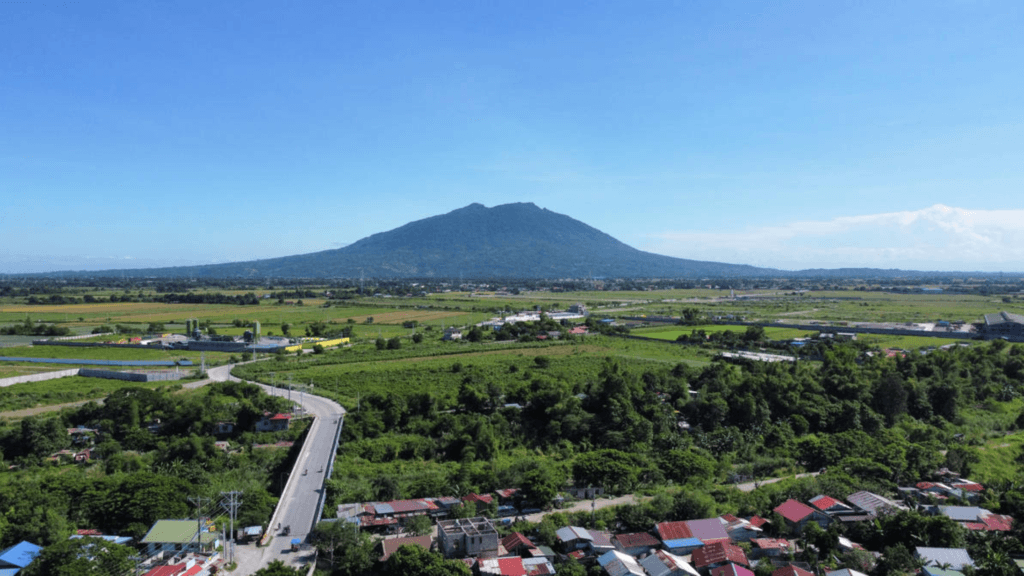
Pampanga Real Estate: Why Land Near Clark and NLEX is Booming Atty. Donna Manlangit-Mattingley REB President Date Published June 3, 2026 Talk to us Metro Manila has become harder to live in and even harder to invest in. Traffic eats up hours every day, communities feel overcrowded, and land prices continue to climb beyond reach. For many Filipino families and OFWs planning their next move, the question isn’t just where to buy, it’s where life can actually improve. That’s why the smarter question isn’t whether to leave Metro Manila. It is: Where to go next? Pampanga is no longer just a nearby province. With improving infrastructure, growing business districts, and more livable spaces, it offers something Metro Manila can’t easily match anymore: balance. And for investors, the entry window is still open. But the data suggests it’s narrowing. What’s Happening in Pampanga Right Now The Pampanga real estate market has been steadily gaining momentum. Land values are rising, driven by both residential demand and increasing investor confidence. As far back as 2022, Colliers identified Pampanga as one of the most competitive property markets in the Philippines, projecting steady annual price growth driven by infrastructure investment and the entry of major national developers. This is a trend that has continued to play out. More recent data from Central Luzon puts overall property price growth at 6-9% over the past 12 months. Pampanga is no longer a secondary market. It’s becoming a primary choice for both end-users and investors. Residential-leisure condominiums, particularly in key growth areas, have reached average prices of around ₱126,000 per square meter as of late 2025, reflecting strong demand and rising property values. Looking ahead, Central Luzon is expected to deliver around 930 hectares of new industrial land between 2026 and 2028. More industrial land means more workers, more workers mean more housing demand. And that cycle is already in motion. 1. Infrastructure Is the Real Story If there’s one factor driving Pampanga’s growth, it’s infrastructure. Major expressways like NLEX and SCTEX have significantly reduced travel time between Pampanga and Metro Manila to roughly 90 minutes. Accessibility is what transforms land from a passive asset into a high-growth investment. What used to feel “far” now feels practical for regular travel. And this is just the beginning. Upcoming projects like the North-South Commuter Railway (NSCR) and the Subic-Clark Railway are expected to further enhance connectivity, making movement of both people and goods faster and more efficient. The easier it is to reach, the more valuable it becomes. Photo Credit: Google Images 2. Clark Freeport Zone: The Economic Engine At the heart of Pampanga’s growth is Clark. The Clark Freeport Zone continues to attract BPO companies, tech firms, logistics hubs, and manufacturing industries. These businesses bring in jobs, and jobs bring people. As more professionals relocate to the area, the demand for housing rises, including rental properties for expatriates and BPO employees working in Clark. This creates a strong, consistent demand cycle: Businesses expand Workforce grows Housing demand increases Property values follow For buyers, that means you’re buying into a demand cycle that’s already been set in motion. Not speculating on one that might happen. 3. New Clark City and the Spillover Effect You don’t need to buy inside Clark to benefit from its growth, and that’s the key insight driving interest in surrounding areas. New Clark City, designed as a master-planned, disaster-resilient urban center, represents the next phase of development in Central Luzon. While it’s still growing, its impact is already being felt in Mabalacat, Angeles, and San Fernando, where land values are rising as development expands outward. Strategic locations nearby can offer better entry prices while still capturing long-term appreciation. That’s the spillover effect, and it’s already underway. 4. The Lifestyle Shift Driving Demand The pandemic didn’t just change how people work. It changed how people live. The cramped city condo is losing its appeal. More buyers today are prioritizing space, greenery, and a healthier environment: open areas, flexible spaces, and a slower pace of life. Pampanga delivers exactly that balance. It offers modern conveniences — malls, hospitals, schools, and business centers while still maintaining a more relaxed, provincial feel. The rise of integrated township developments in the area, including Alviera, Capital Town, and Marquee Place, reinforces the idea that Pampanga isn’t just livable, it’s evolving into a complete community. 5. Why Mexico, Pampanga Specifically All these trends, growth, infrastructure, lifestyle demand, lead to one question: where exactly should you invest? Mexico, Pampanga is emerging as a highly strategic location. It’s close enough to key growth centers while still offering larger, more flexible land options. Something that’s becoming increasingly rare. One standout opportunity is a 5.6-hectare raw lot located just: 15 minutes from NLEX 30 minutes from Clark International Airport At ₱800 per square meter, it offers strong value compared to more developed areas, while still benefiting from the same growth drivers. The property is flat and highly usable, making it suitable for industrial use, residential development, farm estate projects, or mixed-use concepts. Contiguous parcels at this scale, that are also accessible, are genuinely rare now. 👉 Explore the full property details here:https://primavitarealty.com/raw-lot-for-sale-mexico-pampanga/ Photo Credit: Google Images Is Now is the Right Time to Buy? Timing matters in real estate, and Pampanga is at a point where momentum is already building, but opportunities are still accessible. Infrastructure projects are ongoing, not yet fully priced in. Land values are rising, but still more affordable compared to Metro Manila. And large parcels of land are gradually becoming scarce. The 930 hectares of incoming industrial land, the NSCR timeline, the rising price per square meter can change easily. By the time they fully register in asking prices, the opportunity window in locations like Mexico, Pampanga will have significantly narrowed. For OFWs planning ahead or local buyers looking to reposition their investments, Pampanga offers a rare combination of growth, livability, and value. If you’re exploring your options or simply want to understand if this property fits your goals, now is a
Best Investment for OFWs: Condo, House, or Raw Land?

Best Investment for OFWs: Condo, House, or Raw Land? Atty. Donna Manlangit-Mattingley REB President Date Published May 6, 2026 Talk to us You’ve spent years working abroad so your family can have a better life, now it’s time to make that money work for you back home. For many OFWs, deciding what kind of property to invest in is both exciting and overwhelming. The savings built through years of sacrifice deserve to be placed somewhere safe, something that can grow in value and eventually become part of the life waiting back in the Philippines. But when the time finally comes to invest, the question becomes complicated, which property actually makes the most sense when you’re thousands of kilometers away? This guide will help you understand the real differences between three common options, condos, house & lots, and raw land, so you can choose the one that aligns with your goals, your timeline, and your lifestyle abroad. At Primavita Realty, we’ve helped many OFWs navigate this exact decision. Because our transactions are guided by legal oversight, buyers don’t just receive property options, they receive protection and clarity throughout the process. Why This Decision Is Different for OFWs For OFWs, buying property is rarely just about investment. It’s about building long-term security while also preparing for the day you eventually return home. That dual goal makes the decision more layered than it is for buyers who live in the Philippines. First is the reality of purchasing remotely. Many OFWs cannot easily visit properties, inspect documents in person, or attend meetings with brokers and developers. Important decisions often have to be made through video calls, digital documents, and trusted representatives. Second is the responsibility of managing a property from abroad. If you own something with tenants, maintenance issues, or monthly dues, someone locally needs to handle those matters. Without the right setup, small problems can quickly become expensive ones. Third is the legal structure of buying as an absentee owner. OFWs typically need a Special Power of Attorney (SPA) to allow someone in the Philippines to sign documents or complete parts of the transaction on their behalf. Understanding how this works is essential for a smooth purchase. The good news is that with the right partner guiding the process, all of these realities become manageable. Option 1: Condo Condos are often best suited for OFWs who want a relatively hands-off investment that can potentially generate rental income. In major urban centers like BGC, Makati, or Cebu IT Park, condominium units can generate rental demand from professionals, students, and expatriates. Because you’re overseas and cannot personally manage repairs or tenant concerns, the structured management system of a condominium building becomes a real advantage. Maintenance staff, security, and administrative offices are already in place to handle many day-to-day issues. However, condos also come with ongoing costs that can reduce overall returns. Monthly association dues must be paid whether the unit is occupied or vacant. If you hire a property manager to handle tenants, their service fees will also eat into rental income. Another long-term factor to consider is depreciation. While the land underneath the building appreciates, the physical structure of the condominium naturally ages over time. Renovations, repairs, and market competition from newer developments can affect resale value. For OFWs hoping to generate rental income in a major city and who are comfortable with ongoing fees, condos can still be a practical investment. The ideal condo buyer is an OFW who prioritizes income potential and convenience over long-term land appreciation. Photo Credit: Google Images Option 2: House & Lot For many OFWs, owning a house and lot represents the ultimate dream, a place where their family grew up and where they can one day return permanently. There is something deeply meaningful about owning land with a home built on it. Unlike condominiums, a house and lot gives you full ownership of the land itself, typically secured under a Transfer Certificate of Title (TCT). Land historically appreciates over time, independent of the structure built on it. This type of property also offers flexibility. You can design renovations, expand the house, or allow family members to live there without the restrictions often found in condominium associations. But the practical side of absentee ownership cannot be ignored. A house requires regular oversight. If a storm damages the roof, if plumbing breaks, or if the property simply needs upkeep, someone needs to respond. Most OFWs who choose this option rely on a trusted family member or caretaker to monitor the property. The initial cost is also generally higher than raw land because you are purchasing both the lot and the structure. Financing options are available through Pag-IBIG housing loans or bank mortgages, but they still require careful planning. House and lot investments tend to work best for OFWs who have a clear timeline to return home within the next 5-10 years and have someone reliable nearby to help oversee the property. Option 3: Raw Land or Beachfront Lots Photo Credit: Google Images At first glance, raw land may seem like the riskiest option. There’s no building on it, no rental income, and no immediate structure to use. But for many OFWs, raw land is actually the most stress-free form of property ownership. With no structure, there’s nothing to repair, no tenant to manage, and no association dues to pay. The land simply exists as an appreciating asset while you continue working abroad. That simplicity becomes a major advantage when you’re managing your investment from another country. Another reason raw land has become increasingly attractive is location potential. Places like Palawan are still early in their tourism and infrastructure development compared to mature markets like Boracay or parts of Cebu. This means buyers who enter now are effectively buying ahead of the crowd, positioning themselves before the area becomes fully developed and prices rise significantly. Raw land also offers long-term flexibility. You can build a vacation home later, sell the property when values increase, or pass the land down
How to Verify if a Land Title is Clean in the Philippines

How to Verify if a Land Title is Clean in the Philippines Atty. Donna Manlangit-Mattingley REB President Date Published May 6, 2026 Talk to us How to Verify if a Land Title is Clean in the Philippines A few years ago, a buyer almost lost their life savings after trusting a land title that looked perfectly legitimate. It turned out the document had hidden issues that were never verified. Situations like this are more common than many people realize. If you are planning to invest in real estate, this concern is valid. It sounds extreme, but title fraud and encumbered properties are real risks in the Philippines. The good news is that protecting yourself does not require a lawyer or special connections. It requires the right steps, done in the right order. In this guide, you will learn exactly how to verify a land title in the Philippines, which government offices to visit, what to look for, and which warning signs to never ignore, so you can buy with full confidence. Ready to explore clean title properties? Book a free consultation with Primavita Realty. What is a Clean Title? A clean title means the property has no legal complications attached to it. There are no unpaid debts, no disputes, no court orders, and no claims from other parties. In short, the seller has the full legal right to transfer the property to you. In the Philippines, land titles usually come in two types: A Transfer Certificate of Title (TCT) is issued when ownership has been transferred from one person to another. An Original Certificate of Title (OCT) is the very first title issued for a property, usually through government land grants or Torrens registration. Verifying the title before paying a reservation fee or signing any document is not optional. It is the single most important step in any property purchase. Step-by-Step: How to Verify a Land Title in the Philippines Follow these seven steps before committing to any property transaction. Step 1: Request a Certified True Copy from the Registry of Deeds Go to the Registry of Deeds in the city or municipality where the property is located. Request a Certified True Copy (CTC) of the title. This is the official record kept by the government, not a copy handed to you by the seller. Takeaway: Never rely solely on the title copy the seller provides. Always get your own CTC directly from the Registry of Deeds. Photo Credit: Google Step 2: Review the Title Details Carefully Once you have the CTC, check the following: Title number Registered owner’s name (must match the seller’s government-issued ID exactly) Technical description of the property, including lot size and boundaries Even small inconsistencies in spelling or lot area can signal a much bigger problem. Takeaway: Cross-check every detail against the seller’s valid ID and the property’s physical location. Step 3: Verify with the Land Registration Authority (LRA) The Land Registration Authority (LRA) maintains a centralized database of all registered land titles in the country. You can verify the authenticity of a title by visiting an LRA office or using their online verification services where available. This step confirms that the title is not fabricated and that the registry entry matches what the seller has shown you. Takeaway: Independent verification through the LRA adds a critical layer of protection, especially for buyers managing the process remotely. Step 4: Check the Back of the Title for Encumbrances Annotations on the back of the title are legal entries that affect ownership. These may include: Mortgages or bank liens Court-ordered restrictions Adverse claims from third parties Notices of lis pendens (active litigation) If there are annotations, ask the seller to provide proof that they have been cleared before you proceed. Takeaway: A clean title has no unresolved annotations on its back page. Step 5: Confirm Tax Payments with the Bureau of Internal Revenue (BIR) Visit or coordinate with the Bureau of Internal Revenue (BIR) to verify that all applicable taxes have been settled. This includes: Capital gains tax (for direct sales) Estate tax (if the property was inherited) Unpaid BIR taxes can legally block the transfer of title, even after you have paid for the property in full. Takeaway: Confirm tax compliance at the BIR before signing anything. Step 6: Check Real Property Tax Clearance at the Local Government Unit Visit the City or Municipal Hall where the property is located and request a real property tax clearance. This document confirms that annual real property taxes (amilyar) are fully paid and up to date. Outstanding real property tax balances transfer with the property and become the buyer’s responsibility after purchase. Takeaway: Always request an updated tax clearance from the local government before finalizing the transaction. Step 7: For Developer Properties, Request the License to Sell If you are purchasing from a real estate developer, ask for two additional documents: The master title for the project The License to Sell issued by the Department of Human Settlements and Urban Development (DHSUD) The DHSUD License to Sell confirms that the development is legally authorized to market and sell units or lots to the public. Transacting with a developer who does not have this license puts your investment at serious risk. Takeaway: Only deal with DHSUD-licensed developers who can present complete project documentation. Red Flags to Watch For Trust your instincts. If something feels off, it usually is. Here are the warning signs that should stop any transaction immediately: The seller can only provide a photocopy of the title, with no Certified True Copy stamp from the Registry of Deeds. The name on the title does not match the seller’s government-issued ID. There are annotations on the title that the seller cannot clearly explain or prove have been cleared. The seller is pressuring you to sign quickly or is discouraging you from doing your own verification. The price is significantly below market value with no clear justification. Any one of these is reason
Financing Options for Beach Lots in the Philippines

Financing Options for Beach Lots in the Philippines Atty. Donna Manlangit-Mattingley REB President Date Published February 23, 2026 Talk to us Owning a beach lot in the Philippines is an exciting step toward having your own slice of paradise. For many buyers, the challenge isn’t just choosing the location, it’s figuring out a way to pay for it. That’s where financing can help. Financing lets you spread payments over time instead of paying the full amount upfront. If you’re planning to buy a beach lot, knowing your financing options can help you make smart decisions, manage your budget, and avoid surprises. This guide walks you through the main financing methods, with step-by-step advice and tips to find the right plan. Understanding Financing for Beach Lots Financing is a way to pay for a property in installments rather than in full cash. You can use developer plans, bank loans, or a combination of both. Buying a beach lot with financing has some clear advantages: it makes high-value properties more affordable, helps you manage your monthly cash flow, and allows you to plan payments around your income. It’s important to know the difference between cash purchases and financed purchases: Cash purchase: You pay the full price upfront. There are no monthly payments or interest. Financed purchase: You pay a down payment and spread the balance over months or years. Some loans include interest, depending on the plan. Financing doesn’t have to be complicated. Understanding the available options will help you pick the plan that suits your budget and goals. Types of Financing Options 1. In-House or Developer Financing Many developers, including Primavita Realty, offer in-house financing, which allows buyers to pay in installments directly to the developer. Down payment: Usually 10%–30% of the total lot price. Monthly amortization: Spread over a set number of months or years, depending on the developer. Pros: Flexible terms, faster approval, no bank requirements. Cons: Interest rates may be slightly higher than bank loans, and terms are fixed by the developer. Developer financing is ideal if you want a simple, straightforward way to start paying for your beach lot without dealing with a bank. 2. Bank or Pag-IBIG Financing Banks and programs like Pag-IBIG also provide financing for beach lots. These loans usually combine a down payment with monthly installments over several years. Requirements: Proof of income, tax documents, valid ID, and sometimes credit history. Interest rates: Generally lower than in-house financing, but they vary by bank. Pros: Longer payment terms and lower interest rates. Cons: Processing takes longer, and approval depends on credit assessment. Bank financing is best for buyers who want lower interest rates and are comfortable with the documentation process. 3. Hybrid or Special Payment Plans Some developers offer hybrid financing, which combines in-house payments with bank loans. For example: Part of the lot price is paid to the developer as a down payment. The remaining balance is covered by a bank loan. Hybrid plans can make larger properties more affordable and allow buyers to take advantage of flexible payment schedules while benefiting from lower interest rates. Step-by-Step Guide to Choosing the Right Financing Option Step 1: Determine Your Budget Decide how much you can comfortably pay each month. Include all other expenses so you don’t overextend yourself. Step 2: Compare Financing Options Look at developer financing, bank loans, and hybrid plans. Compare down payments, monthly installments, and interest rates. Step 3: Prepare Your Documents Each option requires some paperwork, such as: Valid ID Proof of income Tax documents Copies of property documents (if applicable) Step 4: Calculate Costs Consider the total cost over the entire payment period. Include down payments, monthly installments, and interest. Tables or spreadsheets can make comparisons easier. Step 5: Apply and Follow Up Submit your application to the developer or bank, and track the process. Keep copies of all agreements and receipts for your records. Frequently Asked Questions What if I miss a payment? Late payments may carry penalties, which vary depending on the developer or bank. Contact them immediately to discuss options. Can I refinance later? Some banks and developers allow refinancing, which may reduce monthly payments or interest. Ask about this when choosing your plan. How do I avoid hidden fees? Read all contracts carefully and ask for a full breakdown of costs before signing. Negotiating tip: Developers sometimes offer discounts for upfront payments or flexible amortization. Don’t hesitate to ask. Final Thoughts Financing a beach lot in the Philippines doesn’t have to be complicated. By understanding your options, calculating payments, and choosing a plan that fits your budget, you can make your dream property a reality. If you want guidance or help with financing your beach lot, Primavita Realty can assist you in finding the right plan and walking you through the process. With clear information and careful planning, owning your beach lot is closer than you think.
How to Pay Real Property Taxes on Beach Lots in the Philippines

How to Pay Real Property Taxes on Beach Lots in the Philippines Atty. Donna Manlangit-Mattingley REB President Date Published February 16, 2026 Talk to us Owning a beach lot in the Philippines is a dream for many. Whether you want a weekend getaway, a future home, or an investment, beach properties give both relaxation and long-term value. But along with ownership comes responsibility, one of the most important is paying real property taxes (RPT). Paying property taxes might seem confusing at first, but it doesn’t have to be. This guide walks you through how to pay property tax for beach lots in the Philippines, step by step, so you can handle it with confidence. Understanding Real Property Tax in the Philippines Real property tax is an annual tax imposed by local governments on land, buildings, and other structures. If you own a beach lot, you need to pay tax not only on the land but also on any structures or improvements on it. The Municipal or City Assessor’s Office is in charge of determining your property’s value and collecting taxes. Rates vary depending on whether the property is residential, commercial, or agricultural. Beach lots used for personal purposes usually fall under residential property, but it’s a good idea to check with your local assessor to be certain. Paying property taxes on time keeps your title clear, avoids penalties, and contributes to local services like roads, utilities, and community programs. Photo Credit: Google How Property Tax Is Calculated Your annual property tax depends on your property’s assessed value and the millage rate set by your local government. Assessed Value: The assessor determines the value based on market trends, location, and property type. Beach lots near the shore or with easy access may have higher assessed values. Millage Rate: This is the percentage applied to the assessed value to calculate the tax. Residential lots generally have lower rates compared to commercial or industrial properties. Example Calculation: Lot Size Assessed Value (PHP) Millage Rate Annual Tax (PHP) 400 sqm 700,000 1% 7,000 500 sqm 900,000 1% 9,000 Keep in mind that your LGU may include other fees or adjustments, so always confirm your exact tax. Step-by-Step Guide to Paying Property Tax Photo Credit: Google Step 1: Gather Your Documents Before going to the assessor’s office or paying online, have these ready: Land Title (Original or Certified True Copy) Tax Declaration issued by the Municipal Assessor Previous Property Tax Receipts (if any) Having everything ready makes the process faster and smoother. Step 2: Visit the Local Assessor’s Office Go to your Municipal or City Assessor’s Office to check your property’s assessed value. You can: Confirm that the information in your tax declaration is correct Review the current assessed value of your lot Request updates if any details have changed Some LGUs also provide online tools for quick verification. Step 3: Compute Your Tax After knowing your assessed value, calculate your annual property tax: Annual Tax = Assessed Value × Millage Rate For instance, if your beach lot’s assessed value is ₱800,000 and the millage rate is 1%, your annual tax will be ₱8,000. Step 4: Choose a Payment Method Photo Credit: Google You have a few options for paying your property tax: At the LGU Treasury or Cashier’s Office – This is the most common way Through authorized banks – Many LGUs accept payments through local banks Online payments – Some municipalities allow paying through their portals Always keep your receipt, whether you pay in person or online. It serves as proof of payment. Step 5: Keep Your Receipt Save your property tax receipt carefully. You may need it for: Selling or transferring your property Applying for loans or financing Resolving disputes with the LGU Late or missed payments usually come with a 2% monthly penalty, so paying on time helps you avoid extra costs. Frequently Asked Questions About Property Tax What if my tax seems wrong? You can request a reassessment at the local assessor’s office. Mistakes happen, and you have the right to have them corrected. What happens if I pay late? A 2% monthly surcharge usually applies to unpaid taxes. The longer you wait, the higher the penalty. How does ownership transfer affect taxes? Before selling or buying a beach lot, make sure all taxes are up to date. Unpaid taxes can delay the transfer of title. Are there exemptions? Some individuals, like senior citizens, may qualify for exemptions. Certain developments or government-recognized projects may also have special arrangements. Tips for Managing Property Taxes Set reminders for annual payments to avoid late fees. Use online tools if your municipality allows them to save time. Ask a professional (real estate agent or real estate lawyer) for help if your property is complex, such as co-owned lots or disputed titles. Following these steps can make paying property tax on your beach lot simple and organized. Owning a beach lot is exciting, but keeping up with real property taxes is an important part of protecting your investment. By preparing your documents, understanding your tax, and paying on time, you can enjoy your property without stress. If you need guidance or help managing your beach lot, Primavita Realty can assist with property acquisition and tax compliance. Taking care of your property becomes easier when you know the steps and have the right support.